4 yoga poses for office workers
Contents
Overview
Yoga is an ancient practice that combines body postures, breathing control, meditation, and relaxation.
It offers both physical and mental benefits, and research suggests it can help with stress and anxiety.
Yoga has many styles, forms and intensities to suit everyone.
Worried about not having enough time to go to yoga class?
It’s okay because there are so many extremely effective yoga poses you can practice in your office.
Benefits of yoga
There are many studies on the benefits of yoga. According to the NIH's National Center for Complementary and Integrative Health, the potential benefits include:
- Reduce stress: Reviews of studies have found that yoga helps reduce stress and anxiety symptoms. It may also improve mood.
- Improve physique: Yoga can improve your balance, flexibility, and strength.
- Support for chronic conditions: Yoga is being studied as a way to help with heart disease risk factors such as lowering blood pressure, though results are still limited. It may also ease low-back pain slightly and can be a helpful addition to depression treatment.
Is yoga possible at work?
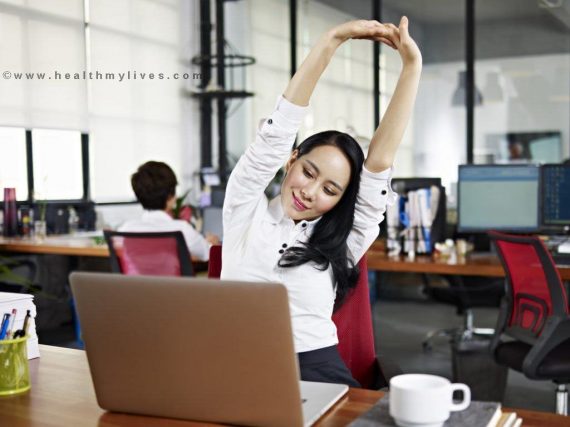
Sitting at a desk for hours without a break is not good for your body.
So, instead of spending all day on office chairs, try some yoga exercises at lunch break to relax your muscles and help your body regain energy.
Your office chair can even become a prop that helps you balance and stretch.
Yoga Poses
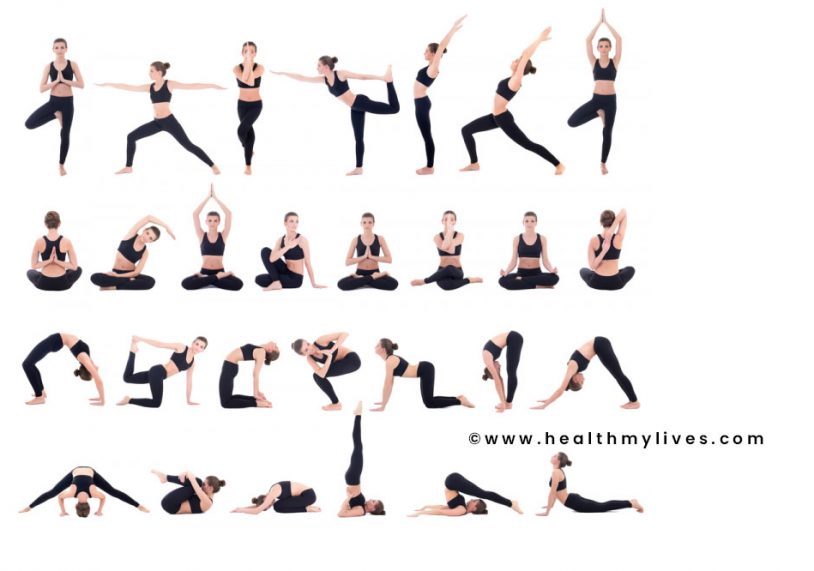
Some yoga poses you can try with your chair:
Tree posture paired with the chair
Stand next to your chair and balance on your right foot.
Raise your left leg and place your left foot on the right thigh.
If that is hard, rest your left foot on your right calf instead. Avoid pressing it against the side of your knee.
You will feel a stretch in your left hip.
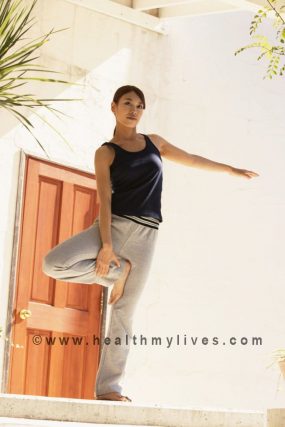
Place a hand on a chair to maintain balance.
Once you’ve done your posture, start adjusting your breathing.
Hold for 5 to 10 breaths, then switch sides.
Sitting eagle pose
To do this pose, sit comfortably in a chair. Cross your right arm over your left at the elbows and bring your palms together, or hold opposite shoulders.
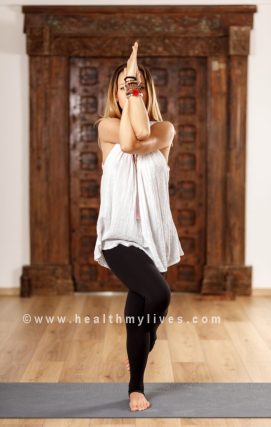
Next, cross one leg over the other. If you can, hook the top foot behind the lower calf.
Squeeze your thighs together and sit tall. You will feel a stretch in your shoulders and outer hips. Hold for 5 to 7 breaths, then switch sides.
Dancer posture
Stand on your right leg and hold the back of a chair (or a desk or wall) with your right hand.
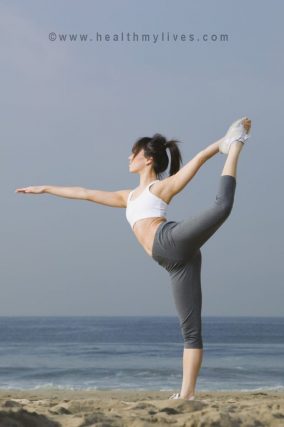
Bend your left knee, reach back with your left hand, and hold the inside of your left foot or ankle. Gently press the foot into your hand to lift the leg behind you.
Lean forward only as far as is comfortable. Hold for 5 to 7 breaths, then repeat on the other side.
Lotus position
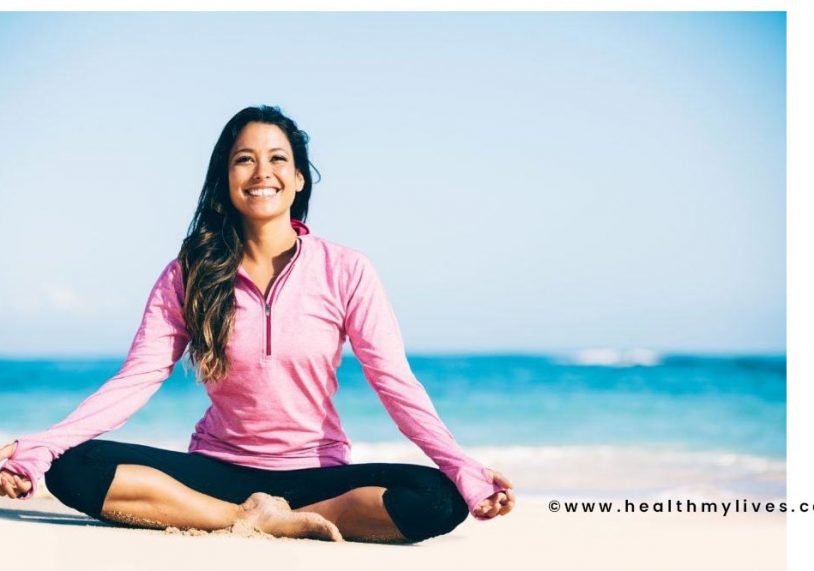
Sit cross-legged on the floor or a cushion, breathe slowly, then switch which leg is in front. Full lotus puts a lot of strain on the knees, so beginners should skip it.
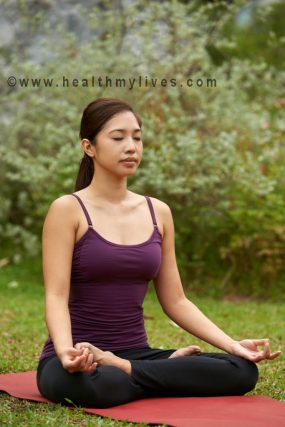
You can also try simple desk stretches, such as shaking out your wrists or rolling your shoulders.
Things to keep in mind when practicing yoga
Yoga is generally safe for healthy people when practiced properly, ideally with a qualified instructor.
But some conditions call for modified poses or extra care.
Talk with your doctor before starting yoga if you have any of the following:
- Spinal disc herniation.
- A tendency to form blood clots.
- Eye diseases, such as glaucoma.
- Pregnancy. (Yoga is generally safe in pregnancy with precautions, but some poses, such as lying on your back for long periods and hot yoga, should be avoided.)
- Balance problems.
- Knee or hip injuries.
- Severe osteoporosis.
- Uncontrolled blood pressure.
Sitting at a desk all day takes a toll on your body.
A few minutes of yoga during breaks is an easy way for you and your colleagues to move more and feel less tense.
Sources
- Yoga: Effectiveness and Safety, National Center for Complementary and Integrative Health (NIH)
- Preventing High Blood Pressure, CDC