Benefits of Banana Flowers: What the Evidence Shows

Contents
Banana flowers are said to help with everything from blood pressure and diabetes to breast milk supply and menstrual problems. Here is what is actually known.
The banana flower, also called banana blossom or banana heart, is a common ingredient in South and Southeast Asian cooking. It has long been used in traditional remedies. Modern research is mostly limited to lab and animal studies, so most health claims have not been proven in people.
9 claimed benefits of banana flowers, and what the evidence says
Amazing Benefits of banana flowers
Banana flower is low in calories and rich in dietary fiber. It also contains some protein, potassium, magnesium, and antioxidant plant compounds such as polyphenols and flavonoids, according to a 2026 study in Food Science and Nutrition.
That study, like most research on banana flower, was done in the lab, not in people. Here is how the popular claims stack up:
Improve uterine health
In traditional medicine, banana flower is considered good for the womb. It provides small amounts of minerals such as iron, copper, and calcium. However, there is no scientific evidence that it strengthens the uterus or prevents inflammation there.
There is also no evidence that eating banana flower changes progesterone levels or prevents spotting or cramps in pregnancy.
Banana flower contains some magnesium. Some mothers drink banana flower water for morning sickness, but this has not been studied. Bleeding or cramping in pregnancy needs a doctor's attention, so check with your doctor before using any home remedy.
Regulate menstruation

In folk medicine, banana flower is used for heavy periods and menstrual pain. There is no good evidence that it affects progesterone or reduces bleeding. Heavy or irregular periods have many causes and should be checked by a doctor.
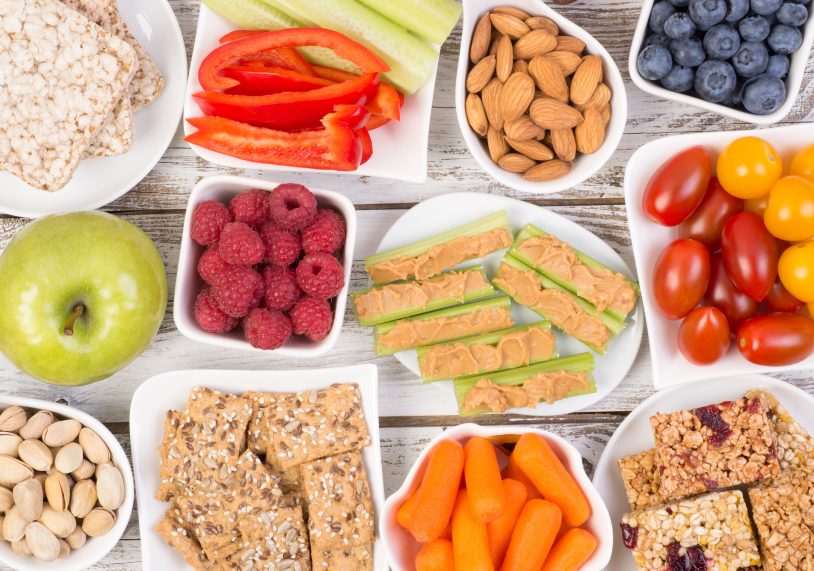
Banana flower is easy to use: chop it and add it to sour soups, stir-fries, curries, or salads. Its fiber helps you feel full, which can support weight control.
Some people drink banana flower tea for cramps. To make it, wash and finely slice the flowers, dry them, then steep them in hot water for 5 to 7 minutes.
Increased lactation
In folk tradition across Asia, banana flower dishes are given to new mothers to boost breast milk supply. This has not been tested in good-quality human studies.
Dishes such as banana flower with shrimp or banana flower salad are nutritious additions to a postpartum diet. Eating well and drinking enough fluids support breastfeeding.
Lab studies show extracts of banana flower have some antibacterial activity, but there is no proof that eating it speeds healing after childbirth or prevents infection.
Reduce blood pressure
Hypertension means the force of blood against the artery walls is too high. It is called a silent killer because it usually causes no symptoms. Many people have it without knowing.
Over time, high blood pressure strains the heart and can lead to stroke, heart failure, and heart attack.
Banana flower is rich in potassium and fiber, and diets high in vegetables, potassium, and fiber help lower blood pressure. But there are no human studies showing banana flower itself lowers blood pressure. It can be part of a healthy diet, not a replacement for treatment your doctor prescribes.
Treatment of anemia
An indispensable use of banana flowers is to support the treatment of anemia. This usually occurs when the body doesn’t have enough healthy blood cells to help transport oxygen to nourish the cells and tissues.
There are many different types of anemia, ranging from temporary to permanent. In general, if you have anemia, you will feel tired, depressed with symptoms such as irregular heartbeat, dizziness, headache, pale skin, cold hands, feet.
Iron-deficiency anemia can often be improved with iron-rich foods or supplements. Banana flower contains some iron, but plant iron is absorbed less well than iron from meat and fish. Banana flower alone will not treat anemia, so see a doctor for testing and treatment.
Safe food for people with diabetes
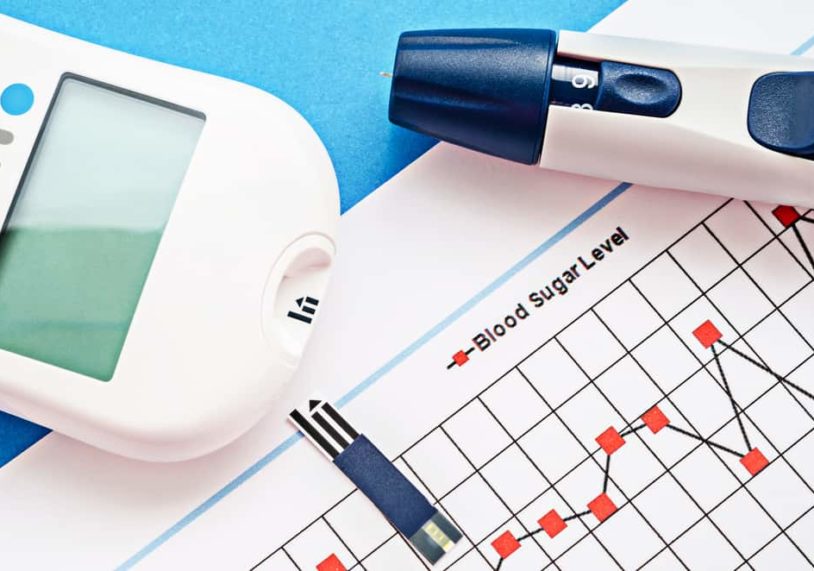
People with diabetes need to monitor blood sugar regularly. High blood sugar over time can damage blood vessels and nerves, leading to vision problems, tingling or numbness in the hands and feet, and other complications.
A high-fiber diet helps keep blood sugar steadier. Banana flower is a high-fiber, low-calorie vegetable, so it is a reasonable choice for people with diabetes. Animal studies suggest it may lower blood sugar, but this has not been shown in people.
Improve kidney function
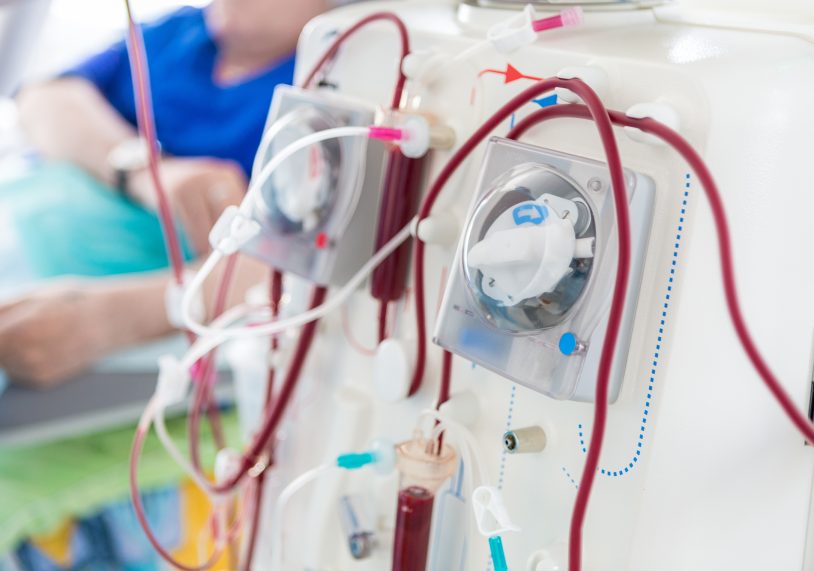
The kidneys are vital organs. According to the NIDDK, they filter wastes and extra fluid from the blood and make 1 to 2 quarts of urine a day. They also produce hormones that help control blood pressure, make red blood cells, and keep bones strong.
There is no scientific evidence that banana flower nourishes the kidneys or prevents kidney or urinary problems.
In folk medicine, banana flower and banana stem water are used for kidney stones and bladder infections. These uses are unproven. Kidney stones and urinary infections need medical care.
Banana flower is also high in potassium, so people with kidney disease should ask their doctor before eating a lot of it.
Solve digestive problems

Banana flower is often recommended for stomach problems in traditional medicine. There is no good evidence that it neutralizes stomach acid or treats ulcers in people.
Its high fiber content can help keep bowel movements regular and ease constipation.
In the case of indigestion bloating, you can also try a banana flower. However, if you do not see any improvement you should consult your doctor. Because constant bloating is also a sign that the body is having more serious problems.
Unlike ginger, which has some evidence for easing pregnancy nausea, banana flower has not been studied for morning sickness. Check with your doctor if nausea is severe.
Prevent aging
Free radicals are unstable molecules that can damage proteins and DNA, and this damage is thought to contribute to aging. Sun exposure, pollution, and tobacco smoke increase free radical damage.
No food can reverse aging. Diets rich in vegetables and fruits are linked to better health.
Lab tests show banana flower contains antioxidant compounds such as flavonoids and tannins, but whether these protect the body when you eat the flower is not known. Sun protection and not smoking do far more for your skin.
Sources
- Effects of Blanching on Phytochemical Retention, Antioxidant Capacity, and Microstructure of Banana Flower, Food Science and Nutrition (via PMC)
- Your Kidneys and How They Work, National Institute of Diabetes and Digestive and Kidney Diseases (NIH)