Cockroach milk is nutritious, but you should still be cautious

Contents
This post was most recently updated on July 25th, 2023
Table Of Contents
- Overview- What is cockroach milk?- The process of getting cockroach milk- Effects of cockroach milk - Nutrients- - Does not cause lactose allergy - Why should you be careful when using cockroach milk?
Overview
Cockroach milk has been called a "superfood" because it is packed with energy and nutrients. However, it has never been tested as a food for people, and you cannot buy it, so be cautious about the hype.
You may have had cow’s milk, goat’s milk, or nut milk but not heard of cockroach milk. It drew attention after a 2016 study described its structure in detail. Some articles present it as a future option for people who are lactose intolerant, but that idea is speculation.
Here is what scientists actually know about this unusual insect "milk."
What is cockroach milk?
Cockroach milk is a protein-rich crystal made by a cockroach called Diploptera punctata, also known as the Pacific beetle cockroach. Despite its name, it is a cockroach, not a beetle. Unlike most cockroaches, it gives birth to live young.
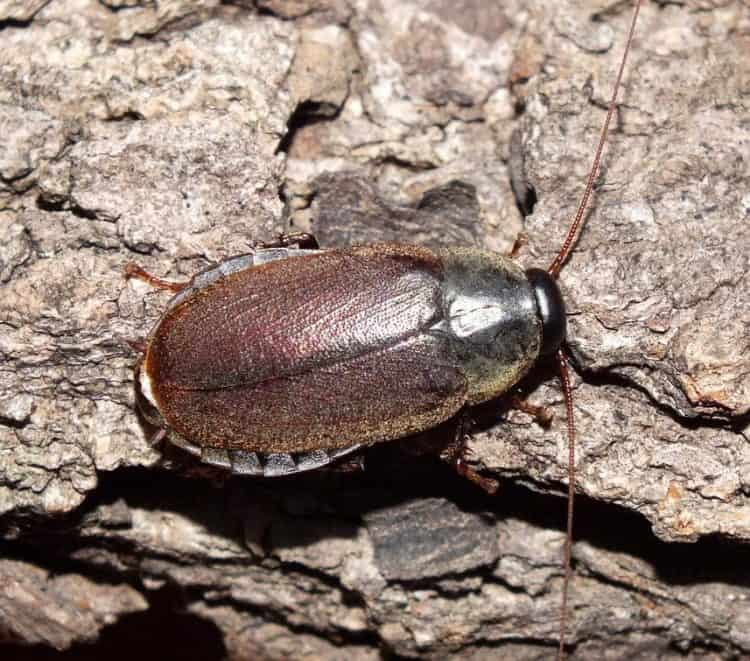
Diploptera Puncata
The mother feeds her developing embryos a liquid milk inside her brood sac. After the embryos drink it, the milk proteins form crystals in their gut, which store nutrients for growth.
A 2016 study in the journal IUCrJ found that the crystals provide all of the essential amino acids, carbohydrates, and lipids. In other words, they work as a complete food for the cockroach embryos.
Nine essential amino acids must come from food. Many plant foods are low in one or more of them, which is why the complete profile of cockroach milk caught researchers' attention.
Even so, collecting cockroach milk is slow, manual lab work. Producing it in large amounts is not feasible at present.
The process of getting cockroach milk
As the embryos develop, the mother's brood sac secretes a pale yellow liquid milk. The embryos drink it, and protein crystals form in their midgut.
To collect the crystals, researchers removed embryos from the brood sac of a female cockroach and isolated the crystals from the embryos' guts. This means the embryos do not survive, which is one reason many people find the idea unappealing.
The current process faces many difficulties. Cockroach milk can only be obtained in a laboratory, and it takes a lot of manpower to collect even tiny amounts.
Effects of cockroach milk

Cockroach milk has not been studied in people. What we know comes from laboratory analysis of the crystals:
Nutrients
The 2016 study estimated that a single crystal contains more than three times the energy of an equal mass of dairy milk. That is a measure of calories, not overall healthiness.
The crystals contain proteins with sugar chains attached and carry fats such as linoleic acid and oleic acid. Together, these supply protein, carbohydrate, and fat, along with all the essential amino acids.
Does not cause lactose allergy
Lactose intolerance is common. MedlinePlus notes that about 65 percent of the world's population has a reduced ability to digest lactose after infancy. It is caused by low levels of lactase, the enzyme that digests the sugar in milk.
Symptoms include stomach pain, bloating, gas, nausea, and diarrhea after eating dairy. Lactose intolerance is not an allergy; a milk allergy is an immune reaction to milk proteins.
Cockroach milk is not dairy, so it is sometimes described as a lactose-free option. But since it has never been tested or sold as food, it is not a realistic choice. Lactose-free dairy and plant milks are safe options today.
Why should you be careful when using cockroach milk?
Cockroach milk is rich in nutrients, but there are some important limits to keep in mind:
- High in calories: Its energy density is high, so even a small amount would supply a lot of calories. Claims about exact calories per glass are estimates, since no one has made a glass of it.
- Ethical concerns: Collecting the crystals means killing the embryos, and a usable amount would take a huge number of insects.
- Unknown safety: There are no studies showing that cockroach milk is safe for people. Insect proteins can trigger allergies, especially in people allergic to shellfish or dust mites. Children and pregnant women in particular should avoid unproven foods like this.
- Not available: Cockroach milk is not sold as a food, and producing it would be very costly.
Cockroach milk is very nutritious for cockroach embryos and interesting to scientists. It is not a tested food for people, and its safety is unknown.
If you are lactose intolerant, choose lactose-free milk or plant milks such as soy or nut milk. Cockroach milk may get more research in the future, but you don’t need to follow this trend to meet your nutrient needs!