Hepatitis A: Causes, Symptoms, Treatments & Prevention
Contents
This post was most recently updated on July 25th, 2023
Overview:-
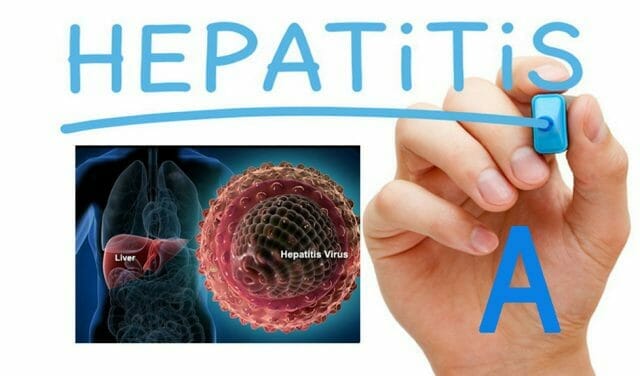
Hepatitis A is a liver infection caused by the hepatitis A virus (HAV). It is highly contagious. HAV is one of several hepatitis viruses that cause inflammation of the liver. Once a person recovers from hepatitis A, they develop antibodies that protect them from getting it again.

Photo by CDC/Betty Partin, Public domain, via Wikimedia Commons

People usually catch the virus by eating or drinking contaminated food or water, or through close contact with an infected person. The virus spreads mainly through tiny amounts of stool, so poor sanitation and unwashed hands play a big role. In areas with unsafe water, drink only treated or boiled water.
Unlike hepatitis B and C, hepatitis A does not become a long-term (chronic) infection. Most people recover fully without lasting liver damage, though the illness can keep you away from work or school for weeks.
The hepatitis A virus was first identified in 1973, and many infections cause no symptoms.
For years there was no vaccine against it.
A hepatitis A vaccine became available in the United States in 1995. Since then, routine vaccination has greatly reduced the number of cases, although outbreaks still occur.
Vaccination, safe food and water, and handwashing are the main ways to stay away from this disease.
What are the symptoms of Hepatitis ‘A’ disease?
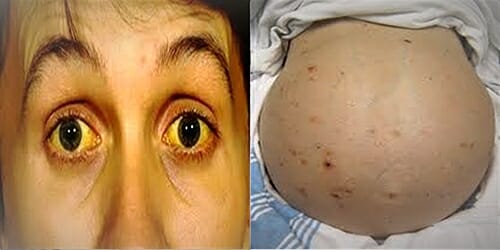
As mentioned above, not everyone has symptoms. Adults are more likely to have them than children. According to the CDC, symptoms usually start 2 to 7 weeks after exposure. Symptoms of hepatitis A disease are listed below:-
- Nausea.
- Vomiting.
- Loss of appetite and fatigue.
- Joint pain.
- Fever.
- Dark urine.
- Pain in the area of the liver, under the right ribs in the upper belly.
- Yellow skin and eyes (jaundice).
- Clay-colored stools and diarrhea.
Symptoms usually last less than 2 months. About 10% to 15% of people with symptoms have a longer or relapsing illness that can last up to 6 months.
What are the causes of Hepatitis ‘A’?
Hepatitis A is caused by the hepatitis A virus. Common ways the virus spreads include:-
- Eating food or drinking water contaminated with the virus, often because of poor hygiene or sanitation.
- Eating raw or undercooked shellfish from contaminated water.
- Sexual contact with a person who has the infection.
- Close personal contact with an infected person, such as caring for someone who is sick or living in the same household.
Risk factors of this Hepatitis:-
- Traveling to countries where hepatitis A is common.
- Living with or having close contact with an infected person.
- Working with young children in daycare or childcare, or in jobs with exposure to the virus.
- People experiencing homelessness.
- Men who have sex with men.
- People who use drugs, whether injected or not.
- People with chronic liver disease or HIV, who are at higher risk of severe illness.
Treatments:-
There is no specific medicine that cures hepatitis A. Doctors usually recommend rest, a well-balanced diet, and plenty of fluids to manage symptoms while the body clears the virus. For treatment, follow these points:-
- Avoid alcohol completely while your liver heals.
- Get plenty of rest.
- Eat a balanced, nutritious diet, even if your appetite is low.
- Drink enough fluids to avoid dehydration, and stay physically and mentally fit as you recover.
- Check with your doctor before taking any medicine, including acetaminophen (paracetamol), because the liver processes many drugs.
Rarely, hepatitis A can cause liver failure, which is more common in older adults and people with other serious health conditions. Seek medical care if you get very sick.
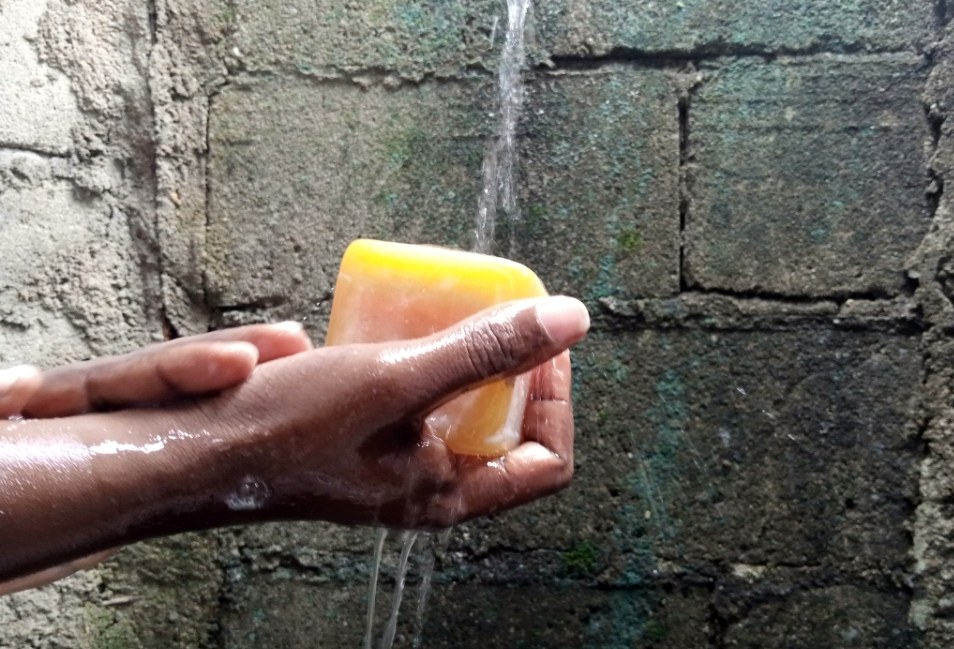
Photo by Olivier Moukodi, CC BY-SA 4.0, via Wikimedia Commons

Preventions of Hepatitis A:-
The best way to prevent this disease is vaccination. Other preventive measures include:-
- Get vaccinated. The CDC recommends the vaccine for all children ages 12 to 23 months, unvaccinated children and teens, and adults at increased risk, including travelers.
- Wash your hands thoroughly after using the bathroom, after changing diapers, and before preparing or eating food.
- Wash fruits and vegetables and clean dishes properly before use.
- Avoid raw or undercooked shellfish, and in high-risk areas, avoid uncooked foods and untreated water.
- If you have been exposed, ask a doctor quickly about a vaccine dose or immune globulin, which can prevent illness if given within 2 weeks.