PHARYNGITIS-CAUSES, SYMPTOMS AND PREVENTION

Contents
Overview:-
Pharyngitis is the medical name for a sore throat. It is swelling of the back of the throat (pharynx), and it often makes swallowing painful.
Most cases are caused by viruses, such as those behind colds and the flu. Antibiotics don't help a viral sore throat, which usually gets better on its own.
Strep throat is different. It is caused by bacteria (group A streptococcus) and needs to be treated with antibiotics to prevent complications.
According to MedlinePlus, most cases occur during the colder months and spread easily among family members and close contacts.
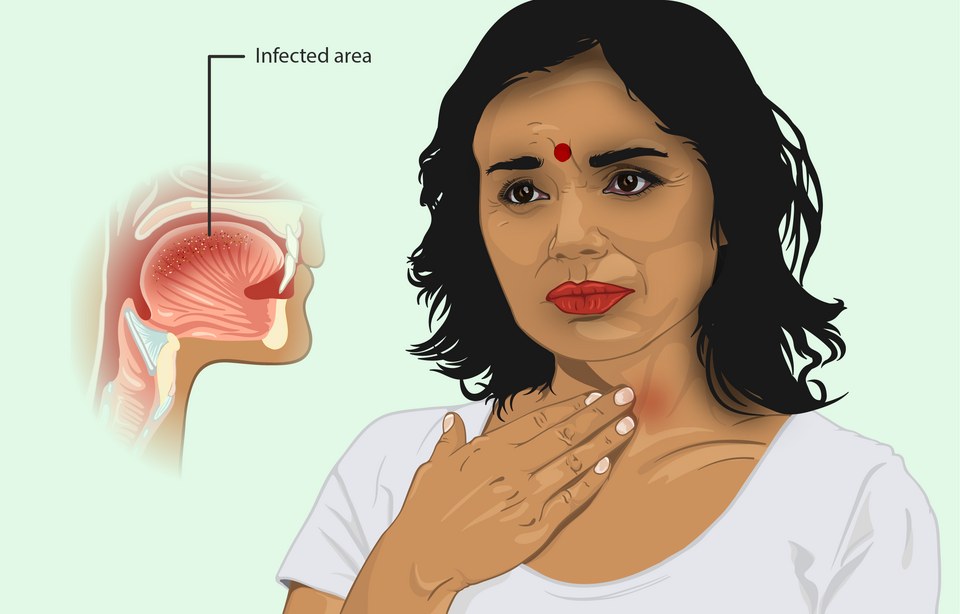
Photo by myUpchar, CC BY-SA 4.0, via Wikimedia Commons

What could be the symptoms of pharyngitis?
Symptoms depend on the cause. Common ones include:
- Pain, scratchiness or irritation in the throat.
- Pain or difficulty when swallowing food and liquids.
- Fever, which is more common with strep throat or the flu.
- Headache, body aches and joint pain.
- Cough, sneezing and a runny nose, which point toward a virus.
- Swollen, tender glands (lymph nodes) in the neck.
- Red, swollen tonsils.
- White patches or pus on the tonsils, which can occur with strep throat or mono.
- A hoarse voice.
- Nausea or loss of appetite, especially in children with strep throat.
- A skin rash in some cases.
What is the incubation period for a sore throat?
It depends on the cause. For strep throat, symptoms usually start 2 to 5 days after exposure. Cold viruses often cause symptoms within a few days.
Note: Get medical care right away, for a child or an adult, if there is:
- Trouble swallowing saliva, or drooling.
- Difficulty breathing.
- A high fever, a rash, or a sore throat that doesn't improve after several days.
pharyngitis symptoms
What are the causes of pharyngitis?
Common causes include:
- Cold viruses. Despite the old belief, cold drinks and cold foods don't cause pharyngitis.
- Adenovirus.
- Influenza (flu).
- Mononucleosis (mono), caused by the Epstein-Barr virus. It spreads through saliva, including kissing.
- Coxsackievirus and other viruses, including measles and chickenpox.
- Whooping cough (pertussis).
- Bacteria. The most important is Streptococcus Pyogenes (group A streptococcus), the cause of strep throat. Less often, gonorrhea or chlamydia can cause a sore throat.
- Irritants such as tobacco smoke, air pollution and alcohol.
- Dry air, or not drinking enough fluids, which leaves the throat dry and scratchy.
- Straining the throat by shouting or talking for long periods.
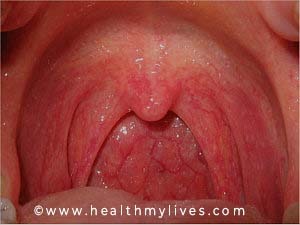
What could be the preventions of pharyngitis?
You can lower your risk with these steps:
- Wash your hands often, especially before eating and after coughing or sneezing. Use hand sanitizer when soap and water aren't available.
- Don't share cups, utensils or food with people who are sick.
- Avoid smoking and secondhand smoke, and limit alcohol.
- Stay away from heavily polluted air when you can.
- Drink enough water to keep your throat moist.
- Cover your coughs and sneezes, and stay home when you are sick.
- Get a yearly flu shot.
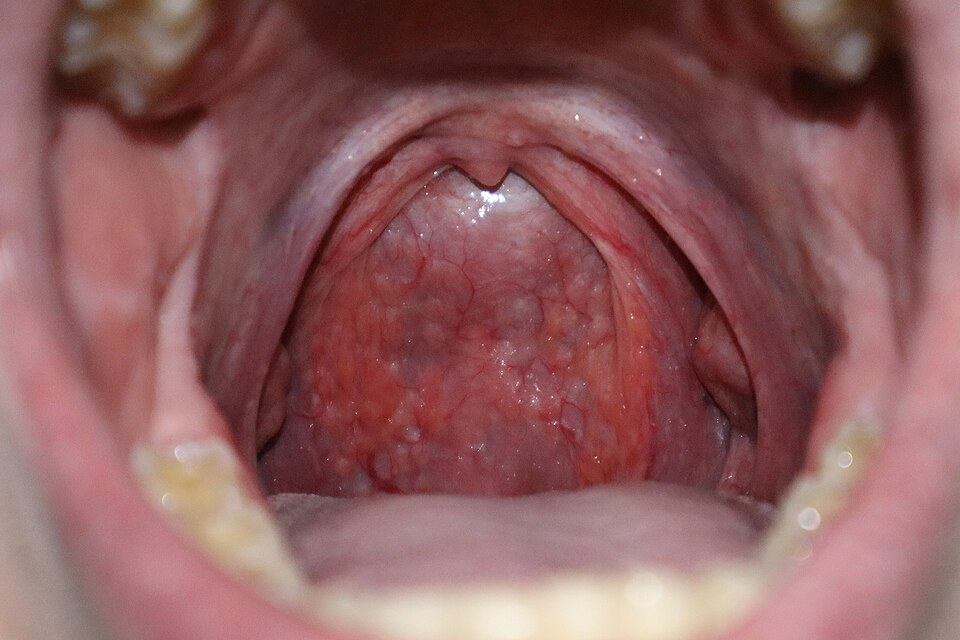
Photo by FreeMediaKid!, CC0, via Wikimedia Commons

Pharyngitis Treatment:-
Health My Lives recommends seeing a doctor rather than taking antibiotics on your own. A doctor can do a rapid strep test or throat culture to find out whether you need them.
Note: Never take leftover antibiotics or someone else's medicine. Using antibiotics for a viral sore throat doesn't help and makes them less effective when you need them.
- Antibiotics, only if a strep test or culture is positive. Take the full course your doctor prescribes.
- Antiviral medicine may help if the flu is the cause.
- Over-the-counter pain relievers such as acetaminophen or ibuprofen, used as the label directs.
- Gargle with warm salt water several times a day (1/2 teaspoon of salt in 1 cup of water). Warm tea with honey, ice pops and throat lozenges can also soothe the throat. Don't give lozenges to young children, and don't give honey to babies under 1 year.
Sources
- Pharyngitis: sore throat, MedlinePlus
- Strep throat, MedlinePlus
- Sore Throat, MedlinePlus