Storing Lemonade In A Pewter Pitcher Can Result In…
Contents
- Introduction
- Why Acidic Drinks and Metal Containers Don't Mix
- What Food Safety Rules Say
- Signs of Metal Exposure
- The Role of Pewter in the Kitchen
- Properties of Pewter
- Historical and Cultural Significance of Pewter
- Tips for Using a Pewter Pitcher Safely
- Cleaning and Maintaining the Pitcher
- Choosing the Right Container for Lemonade
- Other Considerations for Safe Lemonade Storage
- Sources
Storing lemonade in a pewter pitcher can result in metal poisoning. That is the classic food safety answer, and it is the opposite of a health boost.
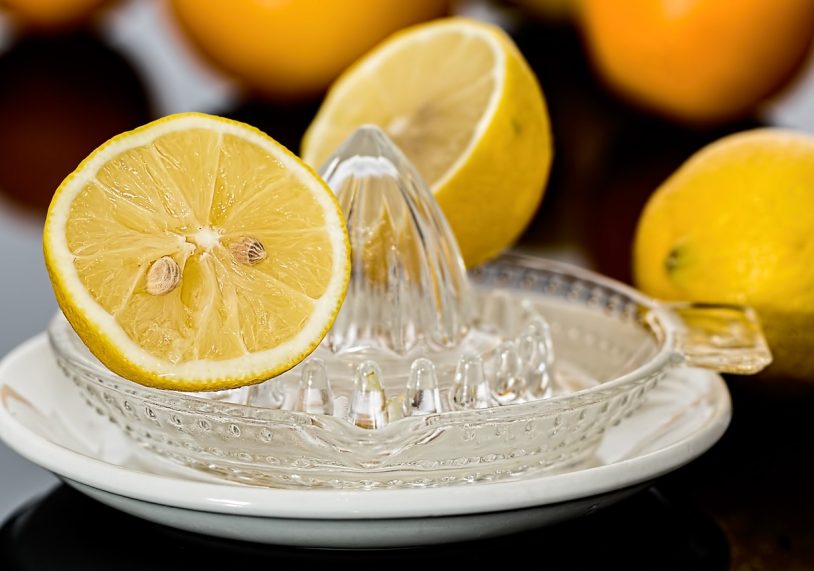
Lemonade is acidic. Acidic drinks can pull metals out of some containers, and older or low-grade pewter can contain lead.
Introduction
Pewter is a soft alloy that is mostly tin. Modern food-safe pewter is nearly lead-free, but older pieces, antiques, and some imported or decorative items can contain lead.
There is no good evidence that pewter improves vitamin C absorption, kills bacteria, or helps digestion. Those claims circulate online, but no credible health body supports them.
Why Acidic Drinks and Metal Containers Don't Mix
The acid in lemon juice reacts with metal surfaces over time. The longer the lemonade sits and the warmer it is, the more metal can dissolve into the drink.
This is why food safety rules treat acidic foods and certain metals with caution. Lead is the main worry with pewter, and no amount of lead is good for you.
What Food Safety Rules Say
The FDA's Food Code sets limits for lead in food-contact surfaces, and states adopt it into their own rules. Virginia's food regulations, for example, say pewter alloys containing more than 0.05% lead may not be used as a food-contact surface.
The FDA also warns that lead can leach from some foodware, such as certain pottery, into the food it holds.
Signs of Metal Exposure
Large, sudden exposure to dissolved metals can cause nausea, vomiting, stomach cramps, and diarrhea, much like food poisoning.
Lead exposure over time is more dangerous because it often causes no early symptoms. Children and pregnant women are most at risk. If you are worried about exposure, ask a doctor about a blood lead test.
The Role of Pewter in the Kitchen
Properties of Pewter
Malleability: Highly Melting Point: Low Composition: Mostly tin, with small amounts of antimony, copper, or bismuth (older pewter often contained lead) Design Capability: Intricate design Other details: Used for artistic objects, tableware, and decorative pieces
Safer use suggestions:
- Use pewter for serving, not for storing drinks or food for long periods.
- Only use pieces labeled lead-free or food safe.
- Keep antique or unmarked pewter for display.
Historical and Cultural Significance of Pewter
Pewter tableware was common for centuries. Much historical pewter contained lead, which is why antique pieces should not be used for food or drink.
Tips for Using a Pewter Pitcher Safely
Cleaning and Maintaining the Pitcher
- Hand-wash: Use warm water, mild soap, and a soft sponge.
- Rinse and Dry: Rinse and wipe dry, then polish with a lint-free cloth.
- Storage: Store it dry and covered to keep dust out.
Pewter tarnishes slowly to a soft gray. That is cosmetic, but it does not make the pitcher safer for acidic drinks.
Choosing the Right Container for Lemonade
Store lemonade in glass, food-grade stainless steel, or food-safe plastic. Consider the occasion when picking a recipe: classic for casual gatherings, an herbal twist for formal events, and mint for pool parties.
Pro Tip: If you want to show off a pewter pitcher, pour the lemonade in just before serving and empty it soon after.
Other Considerations for Safe Lemonade Storage
- Never store lemonade in antique, unmarked, or decorative metal containers.
- Refrigerate homemade lemonade and drink it within a few days.
- Don't leave it out at room temperature for more than 2 hours.
- Keep the pitcher out of direct sunlight or heat.
- Wash the pitcher by hand with mild soap.
Lemonade is a great summer drink. Just keep it in a glass or stainless steel pitcher, and save the pewter for serving or display.
Sources
- Lead in Food and Foodwares, U.S. Food and Drug Administration
- 12VAC5-421-980. Lead, use limitation, Virginia Administrative Code