Avoiding Too Many Calories For High Blood Pressure People
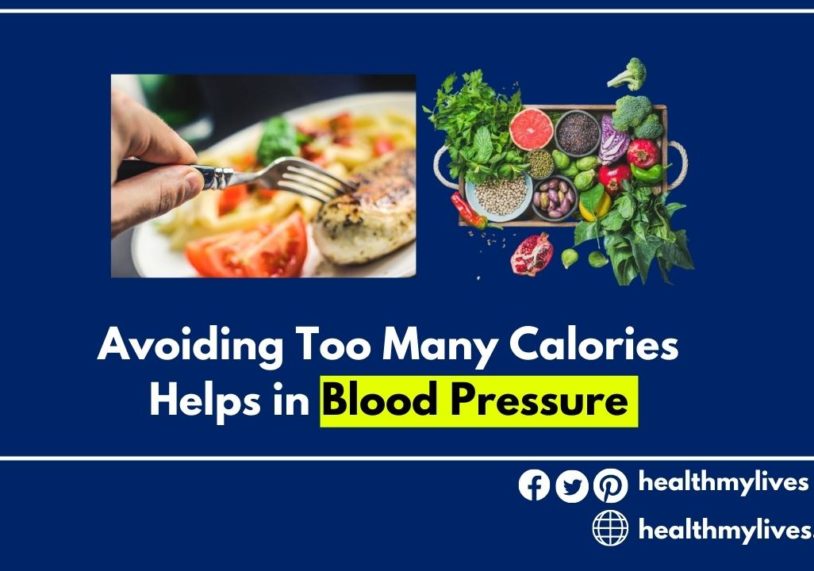
For people with high blood pressure, eating too many calories leads to weight gain, and extra weight raises blood pressure. The CDC lists keeping a healthy weight among the main ways to prevent high blood pressure.
Diet changes work over weeks, not minutes; there is no natural way to lower blood pressure instantly at home. Health My Lives shares practical ways to avoid overeating below.
Avoid overeating when ordering at the restaurant
Many restaurants serve large portions, and most of us eat more when served more. Here is how to keep restaurant meals in check:
- Decide how much you will eat and ask for a to-go box right away for the rest.
- Share a meal with your companion. Restaurant portions are often big enough for two.
- Choose foods with lots of vegetables.
- For the main course, you should not order a large portion, but a small portion.
- Many restaurants serve more pasta servings than you might imagine, leaving you over your target calorie intake. Therefore, be careful when choosing this dish.
- Ask for cheese, bacon, and sauces to be left off or served on the side. These add calories, saturated fat, and sodium.
- If the restaurant brings a bread basket, ask them to skip it or take just one piece.
- Eat slowly and enjoy the conversation. It gives your body time to notice it is full.
- Ask for dishes to be made with less salt. Restaurant food is a major source of sodium.
- Share dessert with your table.
Always remember your meal plan
The DASH eating plan (Dietary Approaches to Stop Hypertension) from the NIH is built for people with high blood pressure. It emphasizes vegetables, fruits, whole grains, low-fat dairy, fish, poultry, beans, and nuts, and limits sodium, saturated fat, and sweets.
- Learn which foods fit the DASH plan and keep them stocked at home so you can take them with you.
- Bring DASH foods (fruits, raw veggies, low-fat dairy) to work for lunch and snacks. Keep good foods ready in the mini-fridge at the office or bring a lunch bag.
- Plan to include the main DASH food in your snack.
- Chop up fresh vegetables and fruits for salads.
- Buy low-fat cheese individually packaged.
- Buy lots of fat-free yogurt, many different flavors.
- Don’t skip meals and snacks. Satisfying your hunger while it’s manageable is better than letting your stomach go hungry and eating out of control.
- Plan what you will eat for each meal and snack each day.
- Plan what you will eat before you go to a restaurant.
- Keep your goal in mind and make a plan to make it successful.
If following the full plan feels hard at first, start with your snacks. Low-fat yogurt, a glass of skim milk, fresh fruit, and unsalted nuts are good choices.
Chopped vegetables are another easy snack. Many people get hungry mid-afternoon and grab candy bars or chips, so keep healthy snacks on hand.
Include low-fat dairy. At 2,000 calories a day, the DASH plan recommends 2 to 3 servings of low-fat or fat-free dairy daily.
Watch sodium too. DASH limits sodium to 2,300 mg a day, and 1,500 mg lowers blood pressure even more.
When you go out to eat, think ahead of time about what you want to choose. Even if you’re only going out for a sandwich, plan on ordering an extra salad or boiled veggies.
Keep starchy sides like rice to a modest portion, about a quarter of your plate, and fill half the plate with vegetables. If you have a big dinner planned, keep lunch light with fruit, vegetables, and low-fat dairy.
Weight loss, regular exercise, and less sodium work together. Keep taking any blood pressure medicine your doctor prescribed, and check your blood pressure regularly.
Sources
- DASH Eating Plan, National Heart, Lung, and Blood Institute (NIH)
- Preventing High Blood Pressure, CDC