Benefits Of Spinach: Vitamin A For Night Vision And More
Contents
This post was most recently updated on July 25th, 2023
Spinach is a food that brings high nutritional value to the body. Therefore, a better understanding of the importance and procedure of using spinach will help you have good health.
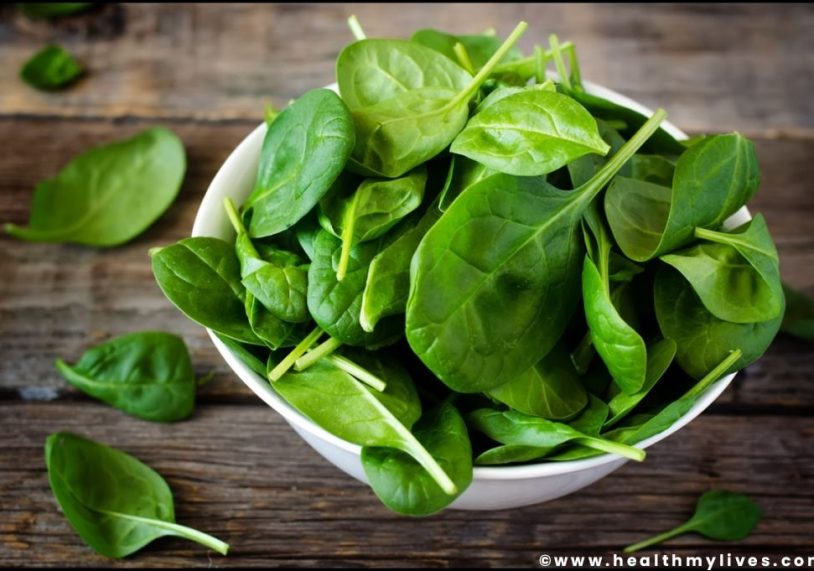
Spinach is an affordable dark green leafy vegetable. This vegetable is rich in minerals, vitamins, pigments, and phytonutrients, so it is considered as a food that is rich in nutrients that are necessary for the body’s vital activities.
Therefore, it is very good for the body to eat spinach regularly. Cooked, pureed spinach can also be one of the vegetables offered to babies once they start solid foods.
Health Benefits of Spinach
Spinach plays a vital role in maintaining a healthy body. In addition to the benefits of spinach for children, spinach also brings health benefits for adults, including:
Enhance vision
Spinach is a good source of beta-carotene, lutein, and zeaxanthin. The body turns beta-carotene into vitamin A, and a shortage of vitamin A is a common cause of night blindness.
According to MedlinePlus, vitamin A helps the eyes see in low light, and reversible night blindness is an early sign of deficiency. Spinach helps prevent this kind of night blindness, but it cannot fix night blindness that has other causes, such as cataracts or retinitis pigmentosa.
USDA data show 100 grams of raw spinach provides about 469 micrograms of vitamin A (as RAE), which is more than half of the daily need for most adults.
Preventing age-related macular degeneration (AMD)
Age-related macular degeneration (AMD) is a leading cause of vision loss in older adults. Lutein and zeaxanthin are pigments that collect in the macula, the central part of the retina.
Research groups, including scientists at Oak Ridge National Laboratory, have studied how these two pigments protect the eye. Spinach is one of the richest food sources of both.
In the National Eye Institute's AREDS2 trial, a supplement with lutein and zeaxanthin helped slow AMD in people who already had intermediate AMD. It did not prevent AMD from starting in people without it, so eating spinach is a healthy habit, not a proven way to prevent AMD.
Benefits for the nervous system
You will get potassium, folate (vitamin B9), and antioxidants when eating spinach regularly. Low folate levels have been linked with poorer cognitive function in older adults, but studies have not shown that eating spinach prevents Alzheimer’s disease.
Potassium helps nerves send signals and muscles contract normally, so it is part of keeping the nervous system working well.
Blood pressure stable
Spinach is high in potassium and fairly low in sodium. Diets rich in potassium and lower in sodium help keep blood pressure in a healthy range, which is why leafy greens are part of the DASH eating plan.
Eating more vegetables like spinach can support lowering blood pressure as part of an overall healthy diet. It does not replace blood pressure medicine your doctor has prescribed.
Strengthen muscles
Spinach contains small amounts of coenzyme Q10 (CoQ10), an antioxidant that muscle cells, including heart muscle, use to make energy.
CoQ10 supplements have been studied in conditions such as heart failure and high blood pressure, with mixed results. The amount in spinach is far smaller than the doses used in those studies.
Fight osteoporosis
Spinach is one of the best food sources of vitamin K, a vitamin the body needs to build bone proteins. It also provides calcium, magnesium, manganese, and phosphorus, which are part of healthy bones and teeth.
Note that oxalates in spinach reduce how much of its calcium the body absorbs, so spinach should not be your main calcium source. People taking warfarin should keep their vitamin K intake steady and talk with their doctor before eating much more spinach.
Reduce the risk of cataract
Lutein and zeaxanthin act as antioxidants in the lens and retina and help filter harmful blue light. Diets rich in these pigments have been linked with lower cataract risk in observational studies.
However, the AREDS2 trial found that lutein and zeaxanthin supplements did not reduce cataract surgery overall.
Against stomach ulcers
Spinach contains glycoglycerolipids, compounds that protected the stomach lining in animal studies. This has not been shown in people, and most stomach ulcers are caused by H. pylori infection or NSAID pain relievers, which need medical treatment.
Conclusion
If you are wondering about choosing healthy food, Health My Lives recommends spinach as a nutrient-dense vegetable. Add spinach to your family's meals regularly as part of a varied, balanced diet.
Sources
- Vitamin A, MedlinePlus
- About AREDS and AREDS2, National Eye Institute
- Spinach, raw, USDA FoodData Central
- DASH Eating Plan, NHLBI