Diabetes Symptoms, Prevention and Causes
Contents
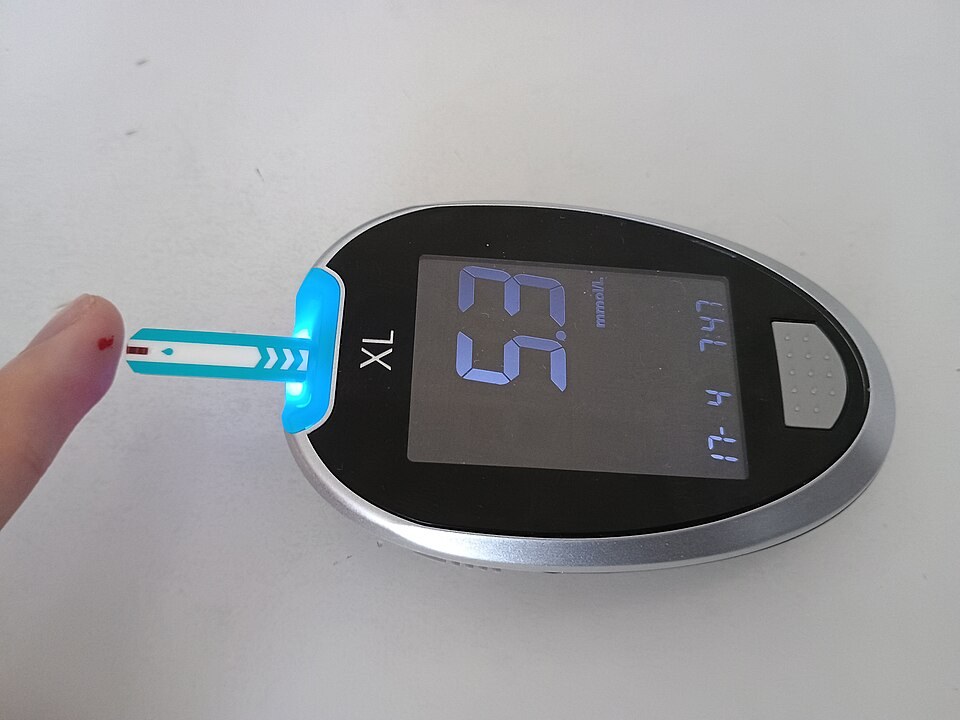
Photo by Roy Zuo, CC BY-SA 4.0, via Wikimedia Commons
This post was most recently updated on July 25th, 2023
Overview:-
Diabetes is a serious, non-communicable disease (though the risk can run in families) in which the body cannot make enough of the hormone insulin or cannot use it well. Here in the article, you will find the basics of diabetes causes and prevention.
Q. What is Insulin?
• Insulin is a hormone made by the pancreas. It helps glucose (sugar) from the blood get into the cells, where it is used for energy.
Insulin acts as a key during this process.
It signals the cells to open up and take in glucose from the blood.
Q. Does diabetes occur due to excessive use of sugar and glucose?
• Not directly. Eating sugar does not by itself cause diabetes.
Normally, when you eat carbohydrates or sugar, your blood glucose rises and the pancreas releases insulin to move that glucose into the cells. In diabetes, the pancreas does not make enough insulin, or the cells respond poorly to it (insulin resistance).
As a result, glucose builds up in the blood. However, a diet high in sugary drinks and refined carbs can lead to weight gain, which raises the risk of type 2 diabetes.
Q. How many types of diabetes are there?
• There are two main types, plus gestational diabetes, which develops during pregnancy. The two main types are described below:-
A) Type 1 diabetes.
B) Type 2 diabetes.
A) Type 1:-
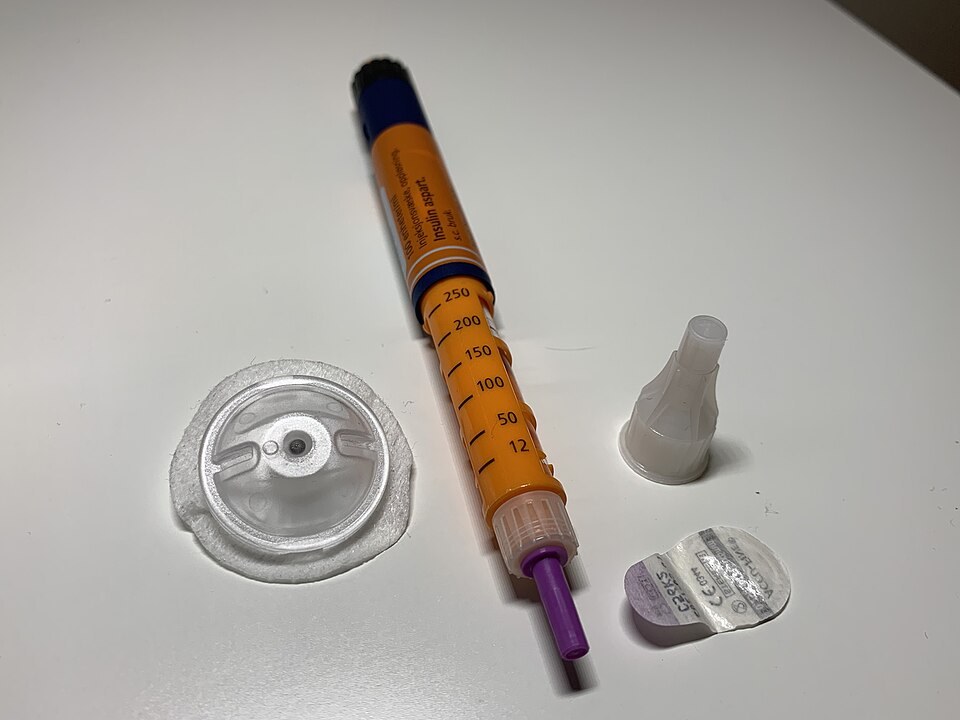
Photo by Marius Vassnes, CC BY-SA 4.0, via Wikimedia Commons
» Type 1 diabetes is the type in which the pancreas makes little or no insulin. It is thought to be caused by an autoimmune reaction that destroys the insulin-making cells of the pancreas.
Type 1 was once called “Juvenile diabetes“ because it is often diagnosed in children, teens, and young adults.
It needs early diagnosis and lifelong insulin treatment.
It can also start in adults. According to the CDC, type 1 accounts for about 5 to 10 percent of diagnosed cases.
B)Type 2:–
» Type 2 diabetes occurs when the body does not use insulin well (insulin resistance) and the pancreas cannot make enough extra insulin to keep blood sugar normal.
Type 2 was once called “Adult-onset diabetes” because it is usually diagnosed in adults. It is now increasingly seen in children, teens, and young adults. Type 2 accounts for about 90 to 95 percent of diagnosed cases.
Q. What are the sign and symptoms of diabetes?
• Unexplained weight loss, more common in type 1 diabetes.
• Frequent urination (also known as polyuria).
• People with sugar disease often feel constant thirst (also known as polydipsia).
• Increased hunger (also known as polyphagia).
• Blurred vision.
• Feeling very tired (fatigue).
• Sores and cuts that heal slowly, and frequent infections.
• Itchy or dry skin can also occur.
Type 1 symptoms usually develop quickly. Type 2 can develop slowly over years, and many people have no symptoms at first, so blood sugar testing matters if you are at risk.
CAUSES AND PREVENTIVE MEASURES OF DIABETES:-
Causes:-
• Type 1 diabetes is caused by the immune system attacking the pancreas. Genes and environmental factors may trigger it.
• For type 2 diabetes, family history (genetics) raises your risk.
• Overweight or obesity, especially a large waist size.
• Physical inactivity.
• An unhealthy diet high in refined carbohydrates and sugary drinks.
• Smoking.
• Age 35 or older.
Preventive measures of diabetes:-
diabetes causes and prevention
» There is no known way to prevent type 1 diabetes. Type 2 diabetes, however, can often be prevented or delayed. In one large trial, the Diabetes Prevention Program, weight loss plus exercise led to 58% fewer cases of diabetes. Some of the preventive measures are given below:-
• Reduce sugar and refined carbs in your daily meals.
• Choose whole, minimally processed foods over sugary snacks.
• Be physically active most days. Exercise helps your muscles use glucose and makes your body more sensitive to insulin.
• Make water your main drink instead of sugary drinks, and limit alcohol. There is no need to force large amounts of water; drink enough to stay hydrated.
• If you are overweight, losing 5 to 10 percent of your weight can lower your risk.
• If you are a smoker, quit. Smoking raises the risk of type 2 diabetes.
• Eat fiber-rich foods like whole grains, beans, vegetables, and fruit, which help with weight control.
• Ask your doctor whether you need a vitamin D test. Low vitamin D has been linked with diabetes, but taking supplements is not a proven way to prevent it.
• Coffee or tea with little or no sugar can be part of a healthy diet. Studies link moderate coffee intake to a lower risk of type 2 diabetes, but this does not prove cause and effect.
• Turmeric (curcumin) and berberine are being studied for blood sugar control. The evidence is limited, and they are not a substitute for diabetes medicine; check with your doctor before taking them.
Sources
- Diabetes Basics, CDC
- Symptoms & Causes of Diabetes, NIDDK
- Diabetes, Harvard T.H. Chan School of Public Health, The Nutrition Source