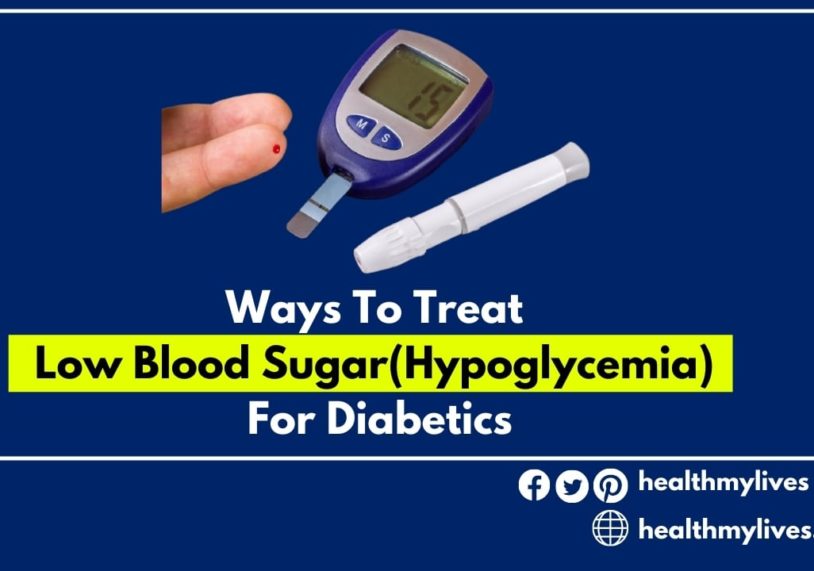
2 Ways To Treat Low Blood Sugar (Hypoglycemia) For Diabetics
Contents
This post was most recently updated on July 25th, 2023
Hypoglycemia is a common complication in people with diabetes. If it isn't treated promptly to raise blood sugar, the person may pass out, have seizures or be injured.
So what is hypoglycemia in diabetics and how is it recognized? What are the current treatments for low blood sugar? Please refer to the article below to get answers to the above questions!
Table Of Contents
- Overview of hypoglycemia- Treat mild hypoglycemia according to the 15-15 rule- Treatment of severe hypoglycemia- Some other ways to treat low blood sugar - Drug-induced hypoglycemia- - Due to tumor
Overview of hypoglycemia
A blood sugar level below 70 mg/dL is considered low. Hypoglycemia is most common in people with diabetes who use insulin or certain oral drugs such as sulfonylureas. Common causes include too much insulin or an injection that is absorbed too fast, eating too little, eating late or skipping meals, drinking alcohol, and exercising hard or for a long time.
People without diabetes can also have hypoglycemia, for example from heavy drinking, liver or kidney disease, malnutrition, or serious infection. Low blood sugar can be recognized through symptoms such as:
- Shaking or trembling
- Fast heartbeat
- Sweating
- Feeling hungry
- Dizziness
- Nervousness, anxiety, irritability or confusion
- Headache
- Blurred vision
- Pale skin
Some people, especially those who have had diabetes for many years, don't notice symptoms when their blood sugar is low. They need to check more often, especially before driving or exercising.
If hypoglycemia is not treated early and blood sugar keeps falling, the person can have seizures, pass out, or in rare cases die.
Treat mild hypoglycemia according to the 15-15 rule
Treating hypoglycemia means quickly raising the blood sugar to above 70 mg/dL. The CDC's 15-15 rule is the most common method.
Eat or drink 15 grams of fast-acting carbs, then check your blood sugar after 15 minutes. If it's still below 70 mg/dL, repeat until it is back in your target range.
Once your blood sugar is back in range, eat a snack or meal with protein and carbs so it doesn't drop again. Options with about 15 grams of fast-acting carbs include:
- 1 tablespoon of sugar, honey or syrup
- 4 ounces (half a cup) of juice or regular (not diet) soda
- 3-4 glucose tablets (follow the package instructions)
- 1 dose of glucose gel (usually 1 tube)
- Hard candies, jellybeans or gumdrops (check the label for how many equal 15 grams)
When treating hypoglycemia according to the 15-15 rule, patients also need to keep in mind the following rules:
- It takes time for blood sugar to rise after eating, so don't overtreat by eating more before 15 minutes have passed.
- Young children usually need less than 15 grams of carbs, especially infants and toddlers. Ask your child's doctor how much they need.
- Check your blood sugar often when it’s most likely to get low, such as during hot weather, after exercise or when you’re traveling.
- Avoid treating a low with foods high in fat or fiber, such as chocolate, beans or lentils. Fat and fiber slow sugar absorption.
Blood sugar can drop again after the first treatment, so recheck it about an hour later.
Treatment of severe hypoglycemia
Hypoglycemia is severe when blood sugar falls below about 55 mg/dL or the person needs someone else's help to treat it. At this point, the 15-15 rule may not work, and the person may be unable to eat safely.
Glucagon is the best treatment for severe low blood sugar. It comes by prescription as an injection or nasal spray. Ask your doctor about keeping it at home, and make sure family, friends or coworkers know where it is and how to use it.
If the person is unconscious, having a seizure or can't swallow, do not put food or drink in their mouth. Give glucagon if you have it and know how to use it, then call 911. If no glucagon is available, call 911 right away.
Once the person is awake and able to swallow, give a fast-acting sugar such as juice or regular soda, then a snack with carbs and protein, such as crackers and cheese. Get medical help after any severe low, even if they recover.
Vomiting after glucagon is common. If the person keeps vomiting, they need emergency care, since their blood sugar may drop again.
In the hospital, doctors usually give glucose through an IV.
Some other ways to treat low blood sugar
For non-diabetic hypoglycemia, the treatment depends on the cause. Such as:
Drug-induced hypoglycemia
If a medicine is causing low blood sugar, your doctor may adjust the dose, switch to another drug, or stop it. Don't change your diabetes medicine on your own.
Due to tumor
Rarely, low blood sugar is caused by an insulin-producing tumor in the pancreas (insulinoma). The usual treatment is surgery to remove the tumor, and sometimes part of the pancreas.
Low blood sugar is common in people with diabetes who use insulin or certain pills. Treat lows early, carry a fast-acting sugar with you, and see your doctor if lows happen often, even if they are mild.