Back Pain During Menstruation: 11 Home Remedies for Women

Contents
- Overview
- Home remedies for back pain during menstruation
- 1. Drink lots of water
- 2. Reasonable rest
- 3. Take a warm bath
- 4. Do gentle yoga
- 5. Practice deep breathing
- 6. Relaxing massage
- 7. Apply heat to your back
- 8. Practice stretching
- 9. Avoid stimulants
- 10. Take a relaxing walk
- 11. Supplementing nutrients
- Sources
Overview
Many women feel lower back pain during menstruation. It often comes with cramps and can make daily activities harder.
Period pain is linked to prostaglandins, hormone-like chemicals that make the uterus contract. Many women try home remedies first, and these can be combined with over-the-counter pain relievers.
If you are looking for ways to ease back pain when you have your period, try the following 11 methods.
Home remedies for back pain during menstruation
1. Drink lots of water
Not drinking enough fluids can leave you tired and may make you feel worse during your period.
Drink enough water through the day that you rarely feel thirsty. There is no need to drink 6 to 7 liters a day; very large amounts add no benefit and can be harmful.
If you like to add some flavor to your drink, you can drink juice, but you need to make sure to combine it with extra water throughout the day.
Warm drinks such as caffeine-free herbal tea can feel soothing. There is no good evidence that a particular tea, such as red raspberry leaf tea, relieves period back pain.
2. Reasonable rest
When you feel back pain during the menstrual days, you should pay more attention to your health, especially the liberal rest regime.
You should not overwork because it can make back pain worse during menstruation and affect your body negatively.
In case you have to handle too much work at work, take some time to balance your health.
For example, you can spend 2 to 3 minutes to close your eyes to rest and relax when you contact the computer or sit in front of the screen for too long.
Also, you can do light exercise movements in 5 minutes of breaks to calm and regain energy for the body.
3. Take a warm bath
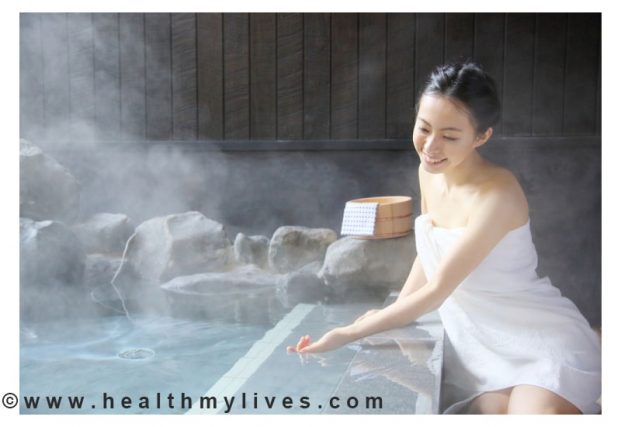
When you have back pain, taking a warm bath or shower can soothe the pain and help you relax.
A warm shower works too if you do not have a bathtub.
If you feel more comfortable to have a bath in your house then you can relax in the warm water, it will be even more helpful.
In particular, make sure the warm water is between 36ºC – 40ºC, so your skin won’t burn.
To be more careful, you should check the temperature with a thermometer.
Some people add Epsom salt to the bath. It is safe for most people, but there is little evidence that it relieves pain better than warm water alone.
4. Do gentle yoga
Doing gentle yoga will help you reduce spasms and relax more.
Gentle styles such as restorative yoga keep the body calm and stretch tight muscles without strain.
If you don’t have time for a full session, try downward-facing dog for 10 slow breaths.
Start on your hands and knees. Tuck your toes, then lift your hips up and back so your body forms an upside-down ‘V’.
Keep your arms straight and your back long. Bend your knees as much as you need to.
If downward-facing dog is too hard, sit with your legs out in front and reach gently toward your toes for ten breaths.
5. Practice deep breathing
Deep breathing is a simple relaxation technique that may help ease tension in your back.
Focusing on slow breaths can also make cramps feel more manageable.
Breathe in and out fully through your nose.
For example, you can inhale four breaths, hold for two counts, and then exhale completely for four breaths. However, you can change the amount according to your ability.
While breathing, stand up straight and lean back your shoulders to make the most of your breath.
Breathe slowly and evenly, letting your belly and rib cage expand.
6. Relaxing massage
The spasm causes a physical change in the back muscle.
Massage can ease muscle tension and soreness, so your back feels more relaxed.
You can look at the spa for back massage support to be more comfortable.

In case if you can not go to a professional massage therapist, you can try a home massage with simple exercises for yourself.
7. Apply heat to your back
Using heat therapy on the sore muscles of the back muscles can relax muscle contractions and relieve pain quickly.
There are different types of heat therapy options, including heating pads and scrubbing with hot water bottles.
Both can help ease discomfort.
Fill a hot water bottle with warm (not boiling) water or use a heating pad.
Then, place it on your lower back or belly for 15 to 20 minutes. Never fall asleep with a heating pad on.
Stick-on heat patches are another option for relaxing tight muscles.
8. Practice stretching
If you have back pain, gentle stretches for the lower back can help.
There are a few easy ways to stretch these muscles.
For example, lie on your back and gently pull your knees toward your chest.
If you can’t lie down, you can do the same thing to ease lower back pain by simply leaning forward and touching your toes with your fingers.
But do not force yourself to stretch your back if that is not possible.
You should hold your back gently in a comfortable posture to perform the stretching process.
Stretch only until you feel a gentle pull, never pain.
9. Avoid stimulants

During your period, it may help to cut back on caffeine and alcohol and to avoid tobacco.
You should also limit the number of greasy foods during your period when you have your period to help ease symptoms.
It may also help to limit sugary foods like candy and sweets.
Alcohol makes you lose fluid and can leave you feeling more tired.
| “Avoid smoking and secondhand smoke as much as possible, for your overall health.”
10. Take a relaxing walk
Walking habits not only help relax muscles through movement but also help you relieve throbbing pain and stress.
You should take gentle steps so as not to strain your muscles.
Besides, you can combine the arm rotation and stride long steps during the walk to get muscle relaxation benefits!
11. Supplementing nutrients
Some women find that calcium, magnesium or vitamin B6 helps, especially when period pain comes with PMS symptoms. Getting these from food is a good place to start.
You can get magnesium from brown rice, almonds, and avocado.
Bananas and oranges add potassium and other nutrients to a balanced diet.
On the other hand, dairy products like yogurt, cheese, and dark green vegetables like spinach will be a good source of calcium for the body’s activities.
Over-the-counter anti-inflammatory medicines such as ibuprofen or naproxen also work well for many women. MedlinePlus suggests starting them the day before your period is expected.
See a doctor if the pain is severe, does not improve after 3 months of treatment, or occurs outside your period. Conditions such as endometriosis or fibroids can cause painful periods and need medical care.
Sources
- Painful menstrual periods, MedlinePlus Medical Encyclopedia
- Yoga: Effectiveness and Safety, NCCIH