Ideal Meal For High Blood Pressure Patients
Contents
The DASH eating plan is one of the best-studied diets for people with high blood pressure. It builds healthy eating habits that help lower blood pressure.
If you have high blood pressure, lifestyle changes are an important part of treatment, and diet is a good place to start. So how do you build a healthy meal for high blood pressure patients? This article explains the DASH plan.
DASH, the ideal meal for high blood pressure patients includes what?
DASH (short for Dietary Approaches to Stop Hypertension) is a nutritional approach to the treatment of high blood pressure.
DASH needs no special foods. It sets daily and weekly servings of familiar food groups and limits sodium to 2,300 mg a day, with 1,500 mg lowering blood pressure even more, according to the NHLBI. DASH means:
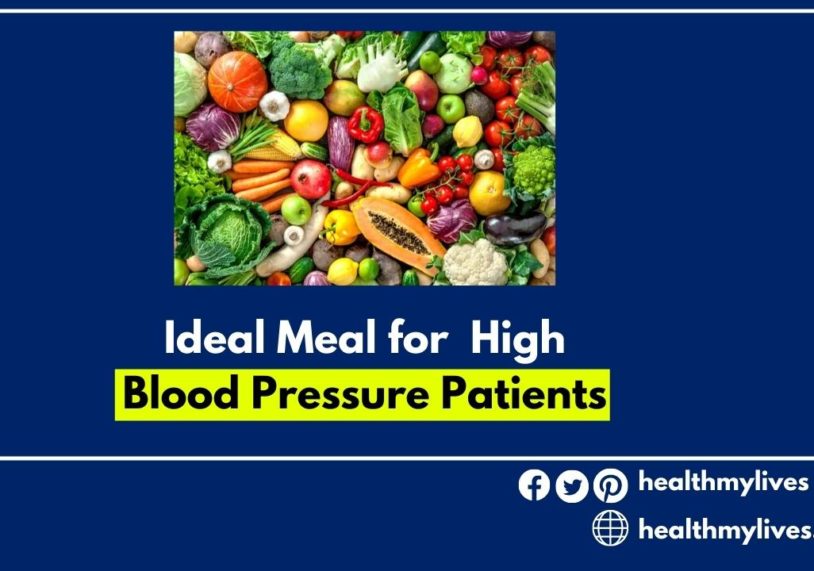
- Eat plenty of vegetables such as tomatoes, sweet potatoes, leafy greens and carrots. Vegetables are rich in vitamins, fiber and minerals (potassium and magnesium). If you’re using canned or packaged vegetables, choose ones labeled “low sodium” or “no salt added.”
- Eat plenty of fruit at meals and as snacks. Fruit is a good source of fiber, vitamins and minerals, and most fruits are low in fat (coconut is an exception). Eat edible peels, such as apple skins, when you can. If you use canned fruit, choose varieties labeled “no added sugar.” Grapefruit, along with Seville oranges, pomelos and tangelos, can interact with some medicines, including some blood pressure drugs, so check with your doctor or pharmacist.
- Eat low-fat or fat-free dairy products like milk, cheese and yogurt (2 to 3 servings a day). They provide calcium and protein, and fortified milk adds vitamin D.
- Choose whole grains such as whole-wheat bread and pasta, brown rice and oatmeal.
- Eat nuts, seeds and legumes such as almonds, sunflower seeds and beans (4 to 5 servings a week). They are a good source of protein, potassium and magnesium.
- Choose lean protein such as fish and poultry, and limit fatty red meat. They provide B vitamins, protein, zinc and iron. Fish like salmon and tuna are rich in omega-3 fatty acids, a type of fat that is good for the heart.
- Limit foods high in saturated fat and trans fat, such as fatty meats, full-fat dairy and tropical oils, and cut back on sweets and sugary drinks.
Gradually change the diet when starting the DASH meal
You don’t have to switch your whole diet at once. Your body needs time to adjust. Because DASH includes lots of high-fiber fruits, vegetables and whole grains, adding them quickly can cause bloating or diarrhea.
To avoid this, gradually increase the vegetables, fruits, whole grains, dairy products and beans in your diet.
Record eating habits
Keep a record of what you ate, when, how much and why. For example, note if you skipped breakfast, ate a large meal, had a high-fat snack while watching a movie or didn’t eat vegetables.
This will help you understand your eating habits and make changes. You can also share your diary with a registered dietitian, who can help you adjust your diet.
Choose DASH foods when eating out
Sticking to the plan when eating out matters too. Restaurant meals are often high in sodium, and you can’t control the portions of vegetables, fruit, meat and fish.
When reading menus, look for DASH-friendly foods. Add a salad, steamed vegetables or fruit, and ask for sauces and dressings on the side.
You can also bring lunch to work. Try a whole-grain sandwich with salmon, carrot, red cabbage and cucumber, a low-sodium vegetable soup, low-fat milk or a piece of fruit. These help you eat healthy even when you’re not at home.
Keeping food fresh
Frozen, canned and fresh foods can all fit into the DASH plan. Frozen vegetables and fruit without added salt or sugar keep well and are handy for quick meals. Store fresh produce properly in the refrigerator so it lasts longer.
DASH works best when you stick with it over time, together with any treatment your doctor prescribes.
Sources
- DASH Eating Plan, National Heart, Lung, and Blood Institute (NIH)
- Grapefruit Juice and Some Drugs Don't Mix, FDA