Is It Safe To Dance During Pregnancy? Will It Affect The Baby?
Contents
You may have heard of the benefits of physical activity during pregnancy, such as better sleep and improved mood. So is dancing during pregnancy safe? For most women with a healthy pregnancy, yes: low-impact dancing is a good way to stay active, as long as you avoid moves that risk a fall.
Table Of Contents
- Benefits of physical activity for pregnant women- Risks from jumping during pregnancy- Other forms of exercise that pregnant women can try- Safe exercise tips during pregnancy- Conclusion
Many mothers choose yoga, walking or other exercise during pregnancy. It’s important to choose activities that suit your body and your pregnancy.
Some activities, such as contact sports or anything with a high risk of falling, can lead to abdominal injury. Gentle dancing is not one of them, but fast spins, jumps and leaps are worth skipping. Here is how to dance and exercise safely during pregnancy.
Benefits of physical activity for pregnant women
Physical activity during pregnancy helps keep your body healthy, builds endurance and can improve sleep. The CDC recommends at least 150 minutes of moderate-intensity activity a week for healthy pregnant women.
Doctors commonly recommend walking, swimming, stretching and prenatal yoga. The CDC says moderate activity does not increase the risk of low birth weight, early delivery or early pregnancy loss.
Be careful with movements that involve jumping, bouncing or quick changes of direction, especially later in pregnancy when your balance changes.
Some other benefits of exercising during pregnancy are also listed below:
- It may ease common discomforts such as back pain and constipation.
- Moderate exercise can boost energy and improve circulation.
- Exercise helps reduce stress and fatigue and can reduce symptoms of postpartum depression.
- It lowers the risk of excessive weight gain and gestational diabetes. (Also read: Foods to lower blood pressure during pregnancy)
Risks from jumping during pregnancy

Light and moderate exercise is considered safe in a healthy pregnancy. High-impact moves such as jumping are not known to cause miscarriage or premature birth, but they become harder and riskier as pregnancy goes on. Some reasons to limit jumping include:
-
Pregnancy puts extra strain on the pelvic floor muscles. Repeated high-impact jumping adds to that strain and may lead to leaking urine during exercise.
-
Pregnancy hormones loosen ligaments, and your center of gravity shifts as your belly grows. Fast spins, leaps and sudden changes of direction raise the risk of falls, sprains and joint injuries.
Other forms of exercise that pregnant women can try
Pregnant women can stay active in many ways, with a few adjustments.
-
Jumping jacks are a high-impact move. Swap them for low-impact versions, such as stepping one foot out at a time. The same goes for dance: low-impact dancing is fine, but skip jumps, leaps and fast spins.
-
Other good options include walking, swimming, water aerobics, stationary cycling, prenatal yoga and stretching. Many gyms offer prenatal classes, and some also run postpartum classes for after the baby is born.
Safe exercise tips during pregnancy
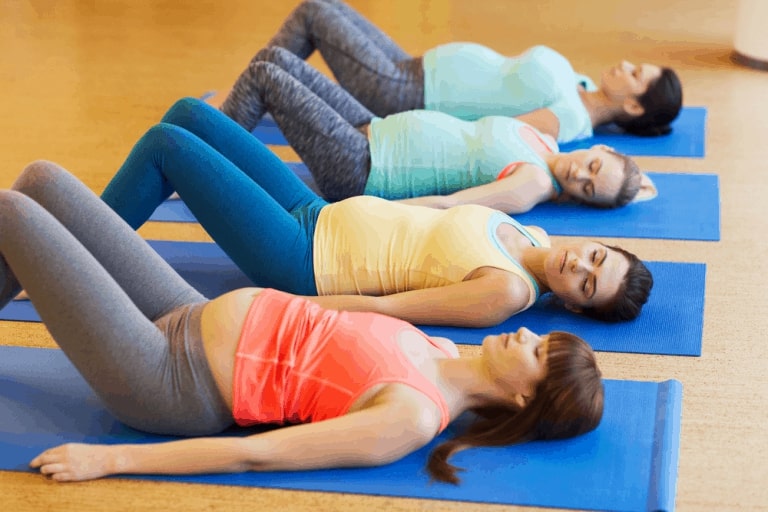
Moderate exercise supports your physical and mental health and is safe for the baby in a healthy pregnancy. Here are tips to keep in mind:
- Talk to your doctor or midwife about your exercise routine, especially if you have a medical condition or pregnancy complication.
- Exercise with someone nearby if you can, in case you lose your balance, slip or feel dizzy.
- Avoid contact sports and activities with a high risk of falling or being hit in the belly, such as hockey, rugby or mountain biking. Don’t scuba dive. After the first trimester, avoid lying flat on your back for long.
- Wear loose, cool, and comfortable clothing when moving to make all activities happen easily.
- Drink water before, during and after exercise to stay hydrated.
- Avoid exercising in hot, humid weather and stop if you feel too hot. Early morning or a cool indoor space works well in summer.
- At the end of the session, you will need about 5 minutes to cool down, this helps your heart rate return to normal. Walk slowly and stretch again to prevent soreness from occurring.
Conclusion
Dancing during pregnancy is generally safe and good for you when the pregnancy is healthy, as long as you keep it low-impact and avoid moves that risk a fall. Stop and call your doctor if you have vaginal bleeding, fluid leaking, regular painful contractions, chest pain or dizziness. A sensible exercise plan helps keep you healthy throughout pregnancy.