Is it Safe To Drink Green Tea During Pregnancy?

Contents
- Is it good to drink green tea during pregnancy?
- Can green tea help women get pregnant easier?
- Specific benefits of green tea for pregnant mothers
- Can Too Much Green Tea Be Risky For Pregnant?
- How much green tea should pregnant women drink?
- Besides drinking green tea during pregnancy, is there any other good tea?
- Conclusion
- Sources
Pregnant women need plenty of fluids. Besides water, many enjoy other drinks, including green tea. But can you drink green tea during pregnancy, and does it have any side effects?
Table Of Contents
- Is it good to drink green tea during pregnancy?- Can green tea help women get pregnant easier?- Specific benefits of green tea for pregnant mothers- Can Too Much Green Tea Be Risky For Pregnant?- How much green tea should pregnant women drink?- Besides drinking green tea during pregnancy, is there any other good tea?- Conclusion
Green tea has been popular for centuries and is known for its antioxidants. But many people wonder whether it is as beneficial during pregnancy as it seems, or whether it carries risks. Here is what the evidence shows.
Is it good to drink green tea during pregnancy?
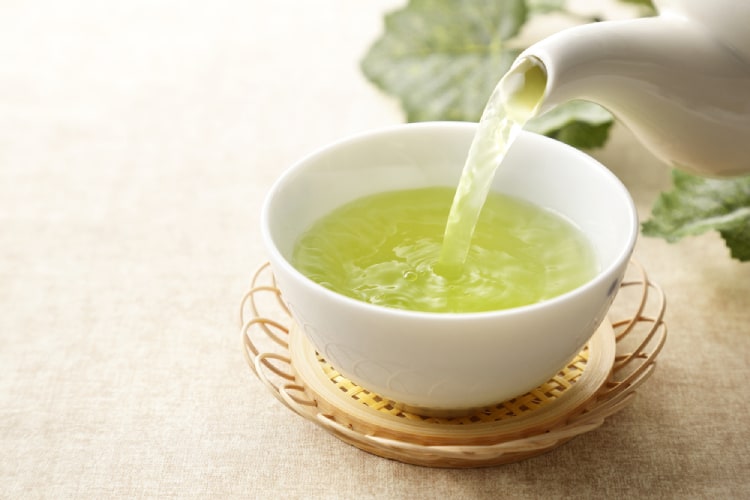
Pregnant women who love green tea often ask the same questions as above. Note that the consumption of green tea or any other beverage should be in moderation.
The short answer: moderate amounts of green tea are generally considered fine during pregnancy, as long as your total caffeine stays under 200 mg a day.
Some studies suggest that drinking a lot of green tea may lower how well the body uses folic acid (folate), which helps prevent neural tube defects. This matters most early in pregnancy, so keep intake moderate and take your prenatal vitamin with folic acid. Tea can also reduce iron absorption from plant foods, so drink it between meals rather than with them.
Note that green tea and herbal teas are not the same: green tea contains caffeine. High caffeine intake in pregnancy is linked to a higher chance of miscarriage and stillbirth. The FDA lists about 37 mg of caffeine in a 12-ounce green tea, compared with 113 to 247 mg in the same amount of brewed coffee. Strength varies by brand and brewing time, so count every cup.
Can green tea help women get pregnant easier?
Some people wonder whether green tea can boost fertility. There is no good evidence that it does. Brewed green tea contains antioxidants called catechins and small amounts of minerals, but not enough to change fertility.
- Antioxidants: Green tea catechins act as antioxidants in lab studies, but this has not been shown to improve fertility in people.
- Vitamins and minerals: A cup of brewed green tea provides only small amounts of nutrients. A balanced diet and a prenatal vitamin with folic acid matter far more when you are trying to conceive.
- Caffeine: If you are trying to get pregnant, it is sensible to keep caffeine moderate, since the same limits apply once you conceive.
Specific benefits of green tea for pregnant mothers

Benefits specific to pregnancy are modest. A cup or two of green tea a day can be a pleasant, low-calorie way to get fluids.
Some claims about green tea in pregnancy go too far. There is no good evidence that green tea prevents pre-eclampsia or reliably helps regulate blood pressure effectively in pregnancy. If you have high blood pressure, follow your doctor’s treatment plan.
Green tea is rich in antioxidants. Research on heart disease and cancer is mixed, and none of it shows that green tea protects pregnant women from these diseases.
Claims that green tea speeds metabolism, calms pregnancy mood swings or boosts the immune system are based on limited or lab research and should not be relied on.
A warm drink can feel soothing when your stomach is upset. However, caffeine can worsen heartburn in some people, so notice how your body responds.
Pregnancy hormones raise the risk of gingivitis. Regular brushing, flossing and dental checkups matter far more than any drink.
Can Too Much Green Tea Be Risky For Pregnant?
Large amounts of green tea may reduce how well the body uses folic acid, which is essential for fetal development. Folate deficiency can lead to a spinal cord birth defect known as spina bifida.
Folic acid is especially important in the first 12 weeks of pregnancy. Keep green tea moderate, take folic acid as advised, and ask your doctor if you have questions about tea in early pregnancy.
Tea can also reduce the absorption of iron from food, especially plant sources. Iron is needed to make hemoglobin, and anemia is common in pregnancy. Drinking tea between meals rather than with them helps.
How much green tea should pregnant women drink?
During pregnancy, keep your total caffeine from all sources under 200 mg a day, the limit used by the NHS and by U.S. obstetricians. The NHS uses a conservative estimate of 75 mg per cup of tea, so two cups of green tea a day is a safe rule of thumb.
In addition to green tea, make sure foods or beverages such as chocolate, soft drinks, coffee or energy drinks are also below 200mg of caffeine per day.
Besides drinking green tea during pregnancy, is there any other good tea?

If you are afraid that the caffeine content in green tea will affect your fetus, there is an alternative to herbal tea. This tea is made from the leaves, seeds, roots or bark of some plants that bring many beneficial effects for pregnant women, such as supporting good digestion, helping to reduce anxiety and stress as well as morning sickness.
Ginger may help ease morning sickness, and some people find peppermint or chamomile tea soothing. Evidence that red raspberry leaf tea shortens or eases labor is weak, so ask your midwife or doctor before using it. The NHS suggests no more than 4 cups of herbal tea a day, because there is little research on their safety in pregnancy.
Some herbal teas are best avoided. The NHS advises against teas containing liquorice root. Skip strong sage or parsley teas too, unless your doctor says they are safe.
Conclusion
Green tea is generally safe during pregnancy in moderation. Keep your total caffeine under 200 mg a day, take folic acid, and drink tea between meals.
If you plan to drink herbal teas regularly, check with your doctor or midwife first.