STROKE-SYMPTOMS,CAUSES, TREATMENTS AND PREVENTION
Contents
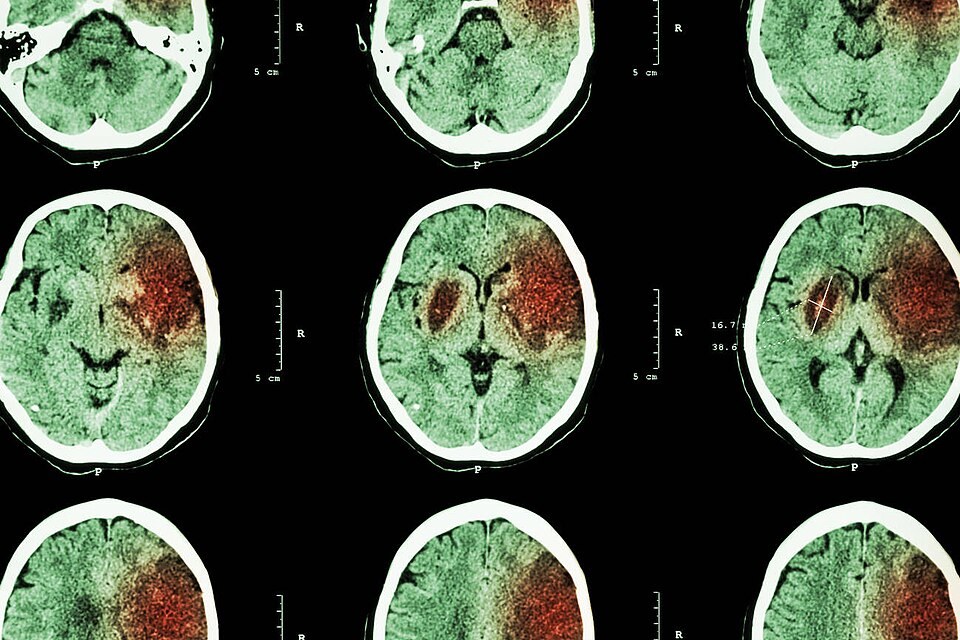
Photo by Goleisureintl, CC BY 4.0, via Wikimedia Commons

Stroke definition:
A stroke happens when blood flow to part of the brain is blocked or a blood vessel in the brain bursts.
Brain cells need a steady supply of oxygen and nutrients carried by the blood. Without it, they start to die within minutes.
Most strokes are ischemic, caused by a clot or narrowing that blocks an artery. A hemorrhagic stroke is caused by bleeding from a ruptured blood vessel.
A stroke is a medical emergency. Fast treatment limits brain damage, so call 911 right away rather than driving to the hospital.
Many strokes can be prevented by controlling risk factors, and many people recover well with quick treatment and rehabilitation. But stroke can also cause lasting disability, so prevention matters.
Q. What may be the symptoms of this disease?
→ Stroke symptoms come on suddenly. According to the CDC's list of stroke signs, watch for:
• Sudden confusion, trouble speaking, or difficulty understanding speech.
• Patients may talk in slurred words.
• Sudden numbness or weakness in the face, arm, or leg, especially on one side of the body.
• Paralysis of one side of the body may occur.
• Blurred vision or sudden trouble seeing in one or both eyes.
• Sudden trouble walking, dizziness, loss of balance, or poor coordination.
• Sudden severe headache with no known cause.
Remember B.E. F.A.S.T.: Balance, Eyes, Face drooping, Arm weakness, Speech trouble, Time to call 911. Note the time symptoms started, because it guides treatment.
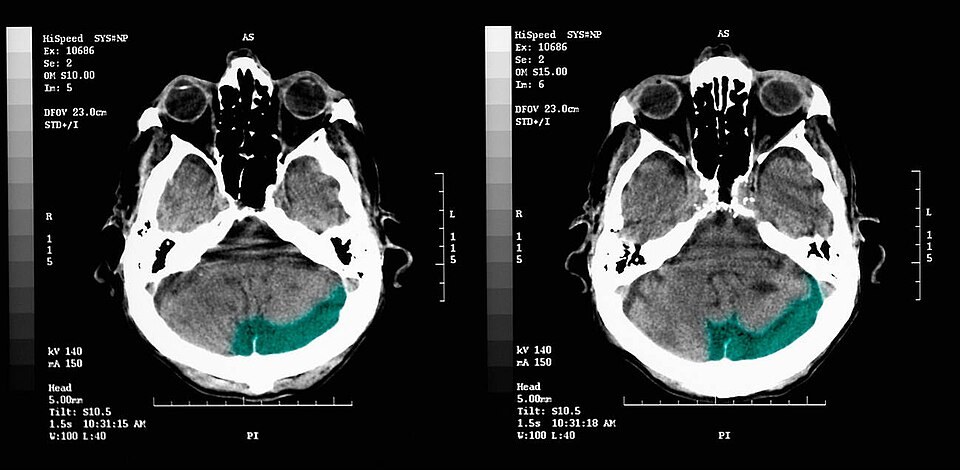
Photo by Goleisureintl, CC BY 4.0, via Wikimedia Commons

Q. What could be the causes of this disease?
→ Several conditions and habits raise the risk of stroke. The main ones, based on the CDC's stroke risk factors, are:
• High blood pressure, the leading cause of stroke.
• Smoking and other tobacco use, including secondhand smoke. Smoking damages blood vessels and makes clots more likely.
• Drinking too much alcohol on a regular basis.
• Not getting enough physical activity.
• Heart disease, including an irregular heartbeat (atrial fibrillation), which can cause clots that travel to the brain.
• Diabetes, high cholesterol, and obesity.
• A previous stroke or mini-stroke (TIA), family history, and older age.
• Illegal drug use, such as cocaine or methamphetamine.
Q. How is a stroke treated?
→ Treatment depends on the type of stroke. For a clot-caused stroke, a clot-busting drug (tPA) works best within 3 hours of the first symptoms, and some patients can still get it up to 4.5 hours.
Doctors may also remove the clot with a catheter (thrombectomy). For a bleeding stroke, treatment focuses on stopping the bleeding and lowering pressure in the brain, sometimes with surgery.
Q. Are there any preventive measures of Stroke?
→ If there is a will, there is a way. Many strokes can be prevented with these steps:
• Quit smoking and avoid secondhand smoke.
• Keep your blood pressure, blood sugar, and cholesterol under control, and take prescribed medicines as directed.
• Limit alcohol, or avoid it.
• Manage stress, and get help if you feel depressed.
•Perform exercise, regularly.
• Eat a diet low in salt and saturated fat, with plenty of fruits and vegetables. Drink enough water to stay hydrated, but there is no need to force down large amounts.
• Get regular checkups, including blood pressure checks, and ask your doctor about your personal stroke risk.
Sources
- Signs and Symptoms of Stroke, CDC
- Risk Factors for Stroke, CDC
- Stroke: Treatment, National Heart, Lung, and Blood Institute