Ways To Lower Blood Pressure Quickly At Home
Contents
- Introduction
- Ways to lower your blood pressure quickly at home within ten minutes
- Soak your feet in hot water
- Relax in savasana posture
- Drinking a glass of water can lower your blood pressure quickly
- Listen to classical music
- Breathe in a bee style
- Practice breathing in your left nose
- Reflexology maintenance
- Ear and neck massage
- How to maintain stable blood pressure
- Considerations to be taken
- Quit Smoking
- Quit Caffeine
- Sources
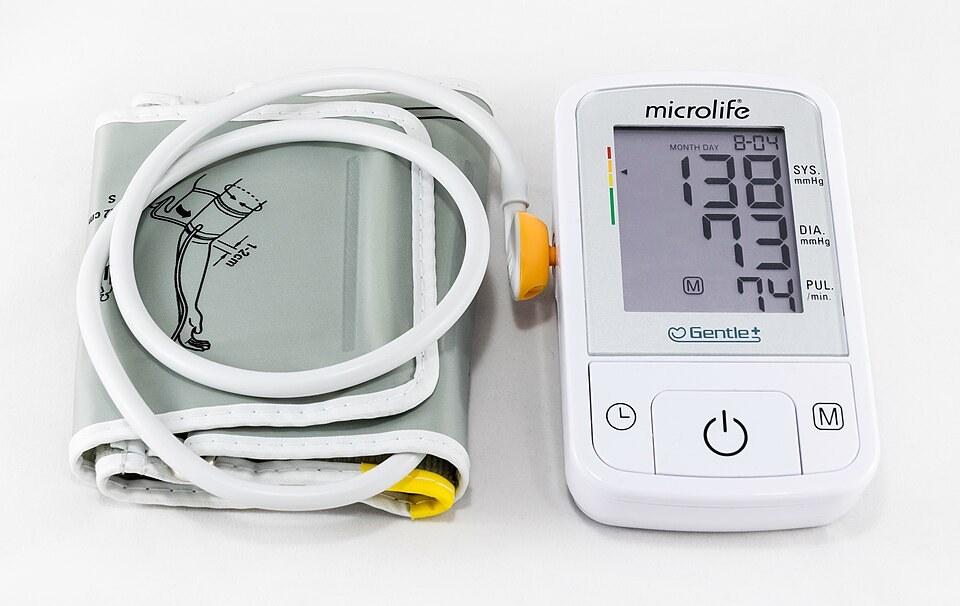
Photo by Jacek Halicki, CC BY-SA 4.0, via Wikimedia Commons
This post was most recently updated on July 25th, 2023
Ways to lower blood pressure quickly at home
- Introduction- Ways to lower your blood pressure quickly at home within ten minutes
Introduction
High blood pressure usually has no symptoms, so you can't rely on headaches or a racing heart to tell you it's high. The only way to know is to measure it.
When to get help now: if your reading is 180/120 mmHg or higher and you have chest pain, shortness of breath, a severe headache, confusion, vision changes, weakness or trouble speaking, call 911. Don't try home remedies first.
No home method reliably lowers high blood pressure within minutes. The calming steps below may ease stress and bring a reading down a little for a short time, but they don't treat hypertension.
High blood pressure can be linked to stress, lack of sleep, obesity, or other underlying illness, and sometimes it appears in people who feel healthy.
Let’s look at eight calming methods people use at home, and what to expect from them.
Ways to lower your blood pressure quickly at home within ten minutes
Soak your feet in hot water
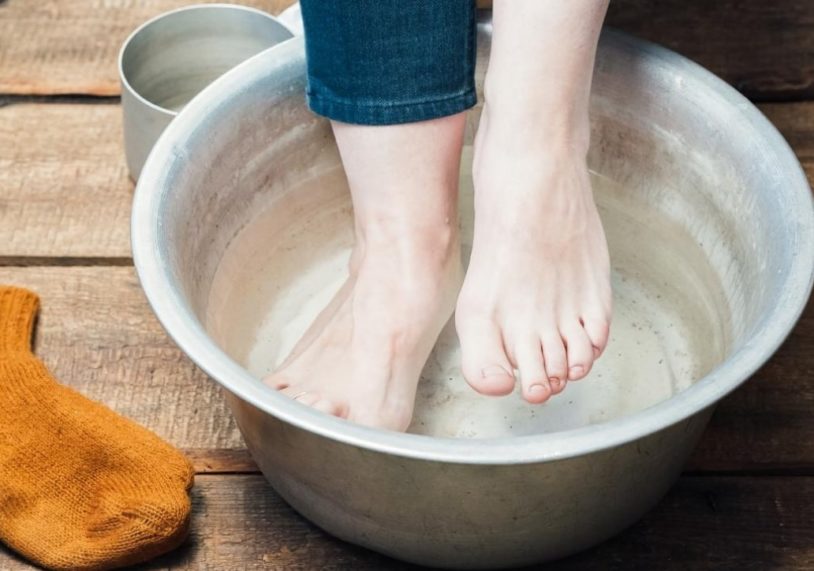
A warm foot soak is a traditional relaxation method. There's no good evidence that it lowers blood pressure or prevents stroke, but it may help you relax.
Why do people soak their feet?
Warmth widens blood vessels in the skin and can feel soothing. Any drop in blood pressure from relaxation is small and short-lived.
Normal blood pressure is below 120/80 mmHg. If your readings are often higher, follow your doctor's treatment plan rather than relying on foot soaks.
Process
- Fill a bucket or basin with warm (not hot) water.
- Take a chair.
- Sit and soak your feet for 10-15 minutes with good posture.
Precautions
- Test the water with your hand or elbow first to avoid scalding. People with diabetes or numb feet should be especially careful, since they may not feel a burn.
- Have a good posture in the chair while sitting.
Relax in savasana posture
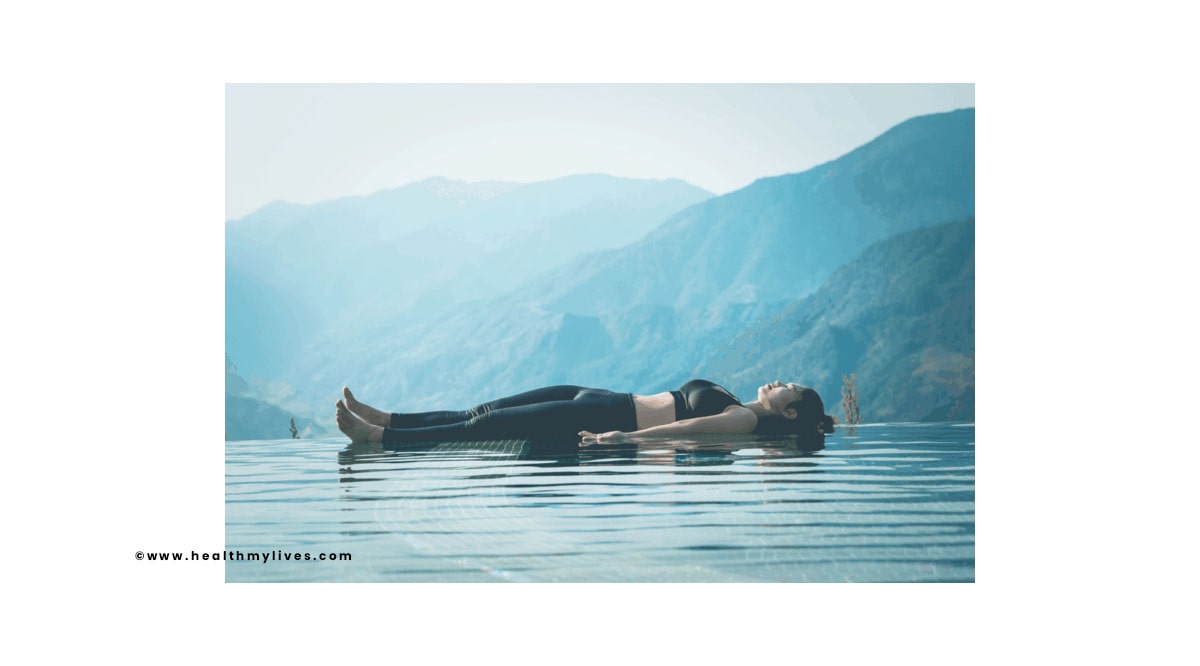
Savasana (aka corpse pose) is a modified yoga pose that helps you rest and relax. This method doesn't require you to do too much.
Just lie on your back, close your eyes and try to relax each muscle in your body. Resting in this position for about 10-15 minutes may help you feel calmer and slow your heart rate a little.
Drinking a glass of water can lower your blood pressure quickly
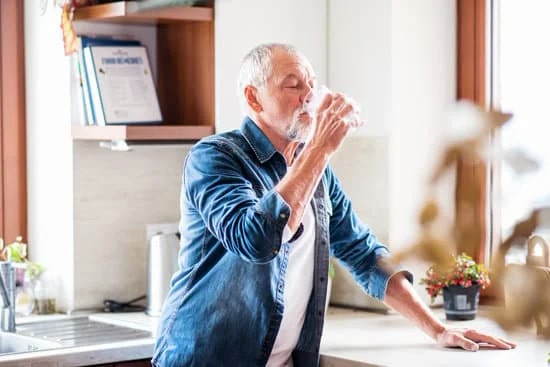
Staying hydrated is good for your health, but drinking water is not a proven way to bring down high blood pressure quickly.
Drink water through the day as part of a healthy routine. If you have heart or kidney failure, follow your doctor's fluid limits.
Listen to classical music
Listening to soothing music like classical or chamber music can help you relax. Some small studies suggest calming music, especially combined with slow breathing, may lower blood pressure slightly and reduce the stress hormone cortisol.
Music with a steady rhythm, no lyrics and gentle, repetitive sections tends to feel the most calming.
Breathe in a bee style
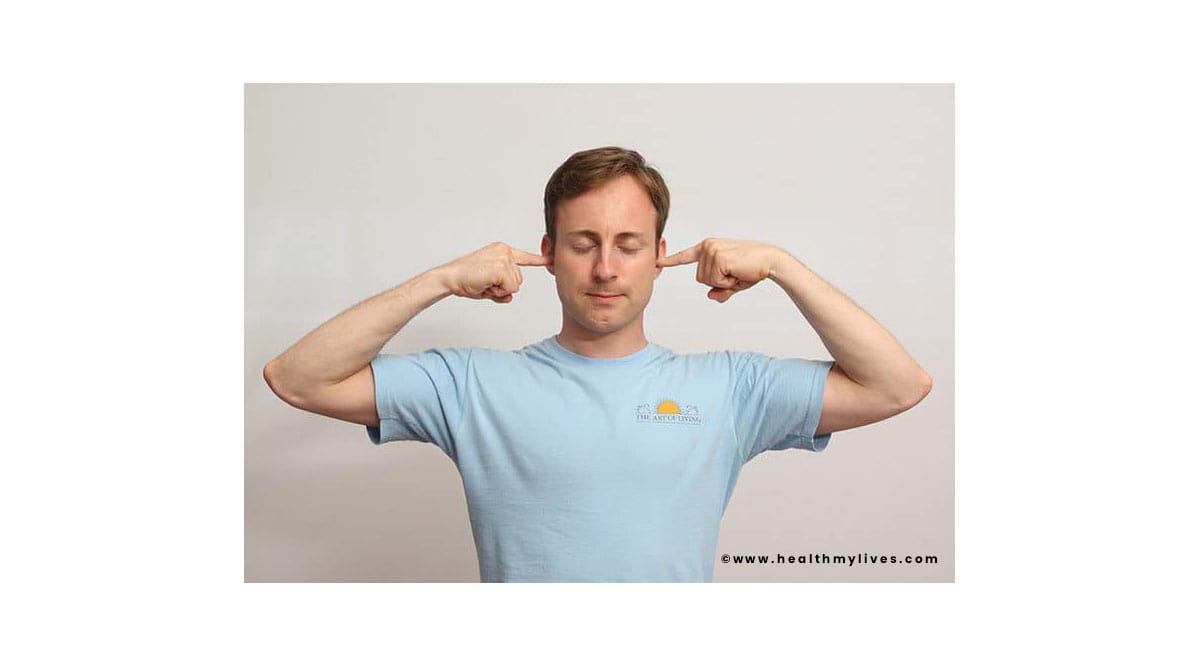
Bhramari pranayama, also known as humming bee breath, is a yoga breathing exercise that may help you relax.
Bee-style breathing is also quite simple; you can follow the steps below:
- Sit in a comfortable position, keeping your back straight.
- Gently close your ears with your index fingers.
- Take a slow, deep breath in.
- Breathe out slowly while making a low humming sound, like a bee.
- Repeat this exercise 7-10 times.
Practice breathing in your left nose
Alternate-nostril and single-nostril breathing are yoga techniques used for relaxation. Slow, deep breathing of any kind can lower blood pressure for a short time. Treat it as a stress-relief habit alongside other ways to lower blood pressure quickly at home, not a treatment.
Doing:
- Sit on the floor or in a chair in a comfortable, straight back position.
- Place your left hand on your stomach.
- Cover your right nostril with your right thumb.
- Take a deep breath with your left nose, hold for a few seconds, then exhale.
- Breathe slowly and deeply with your left nose for 3-5 minutes.
Reflexology maintenance
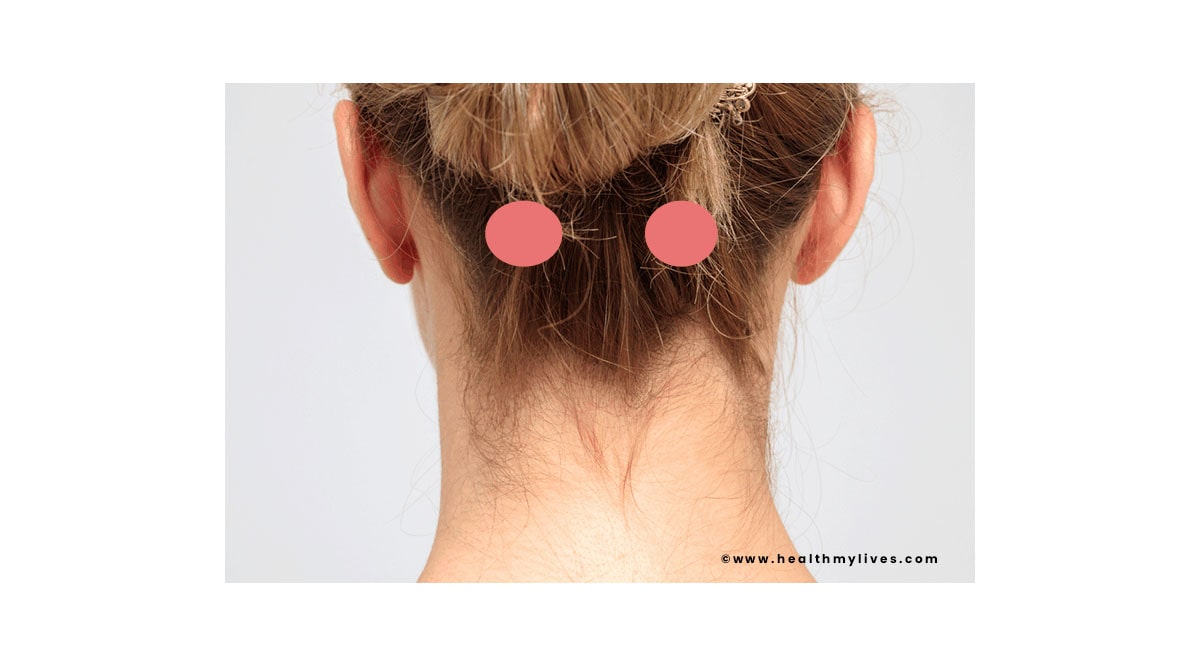
The GB 20 acupressure point is located behind the ears, in the hollow between the neck muscles and the base of the skull. Gently pressing it for 1-2 minutes may relieve neck tension and help you relax. There's no reliable evidence that it treats high blood pressure.
Ear and neck massage
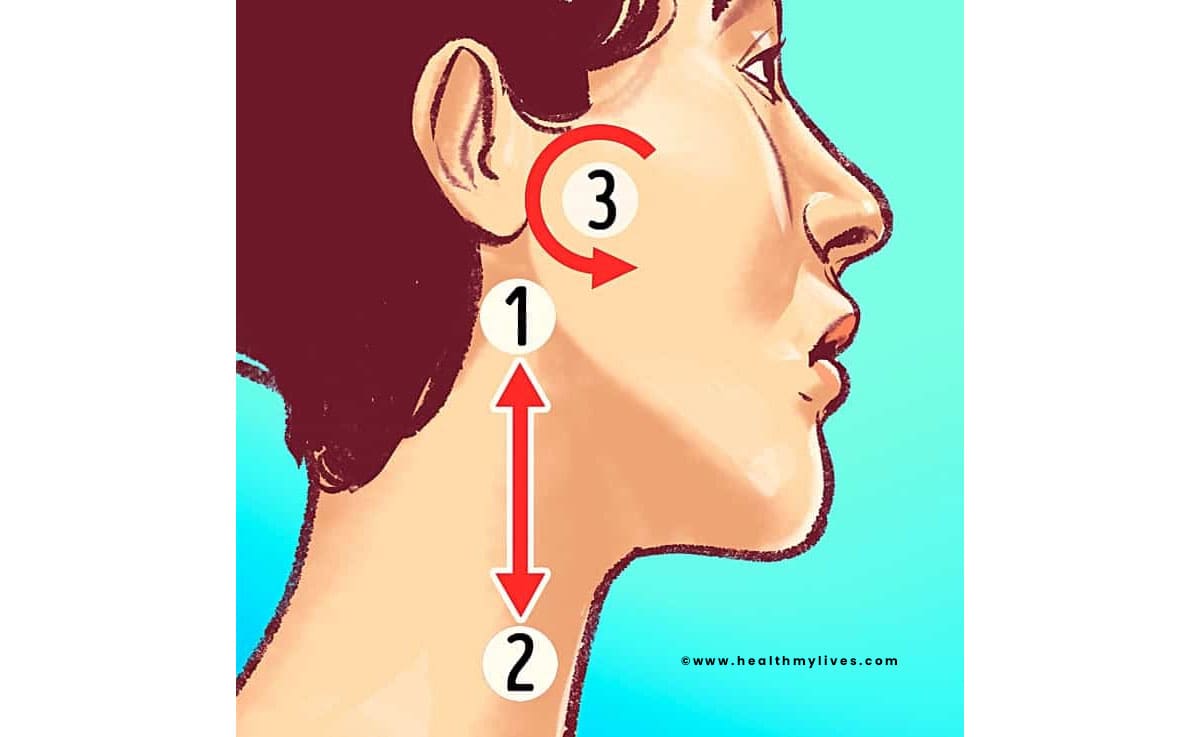
A gentle self-massage of the head and neck can ease muscle tension.
- Find the first position just below your earlobe and draw a line extending from this point to the middle of the neck; this is the second position. Use your fingers to massage your neck along this line gently. Repeat this ten times on each side of your neck.
- The third position is on your face. From the earlobe, move your finger forward about 0.5 cm. Massage gently in a circular motion on both sides of your face for about 1 minute.
Avoid pressing hard on the side of the neck, where the carotid arteries run.
These eight methods can help you relax, but they don't replace treatment. Check your blood pressure regularly and work with your doctor to keep it at a stable level.
How to maintain stable blood pressure
Long-term habits matter far more than quick fixes. Some studies suggest isometric handgrip exercises, such as squeezing a grip device several times a week, can modestly lower blood pressure over weeks. Ask your doctor before starting, especially if your blood pressure is very high.
Diet also greatly affects blood pressure. Eating too much salt can raise your blood pressure, and heavy drinking raises it too. Vegetables and fruits, as in the DASH eating plan, help keep blood pressure down.
Regular exercise, a healthy weight and not smoking also help. If your doctor prescribes medicine, take it as directed even when you feel fine.
Considerations to be taken
If you already have high blood pressure and take medication, consider these points.
Quit Smoking
Smoking is harmful for everyone, and even more so for people with hypertension. Nicotine raises blood pressure and heart rate, and tobacco chemicals damage the lining of blood vessels.
That's why quitting smoking is one of the best things you can do to protect your heart and blood vessels.
The above applies for cigarettes; however, as pointed out by CannabisSensei, there are studies that show decreases in blood pressure in older adults with hypertension after 3 months of medical marijuana use. That was a small study, and cannabis is not an approved treatment for high blood pressure, so talk to your doctor first.
Quit Caffeine
Caffeine can cause a short rise in blood pressure, partly by blocking adenosine, a chemical that helps blood vessels relax. If you notice higher readings after coffee or energy drinks, cutting back may help.
Caffeine late in the day can also disturb sleep, and poor sleep is linked to higher blood pressure.
Green tea has less caffeine than coffee and can be a gentler substitute.
Sources
- Hypertension (High Blood Pressure), Cleveland Clinic
- Hypertension fact sheet, World Health Organization
- High Blood Pressure: Treatment, NHLBI