5 foods said to make you taste sweeter: what the evidence says

Contents
Overview
Many articles promise that certain foods will make your intimate area smell or taste "sweeter."
The truth is simpler. A healthy vagina has its own natural scent, and its acidity is kept in balance by its own good bacteria, not by what you eat.
According to Cleveland Clinic, strong-smelling foods like garlic or fish can change your scent a little, but diet is a minor factor.
Below are five foods that often come up, with what the evidence actually shows.
Five foods often said to make you taste sweeter
1. Yoghurt

Yoghurt with live cultures is a healthy food that provides protein, calcium, and probiotics.
Probiotics are being studied for preventing vaginal yeast infections and bacterial vaginosis, but results so far are mixed. Eating yoghurt is not a proven treatment for either.
A serving of about 113 g (4 ounces) of plain yoghurt a day is a reasonable part of a healthy diet.
Yoghurt is good for your bones and overall diet. Choose plain or low-sugar types, since added sugar does your health no favors.
2. Pineapple
Pineapple contains vitamin C, manganese, copper, some B vitamins, fiber, and bromelain.
There is no good evidence that pineapple balances vaginal pH or changes how you taste. The claim is popular, but it is based on anecdotes.
Pineapple is still a healthy, hydrating fruit to enjoy as part of your diet.
Citrus fruits such as grapefruit, lemons, and oranges are often recommended for the same reason. They are healthy, but there is no evidence they change vaginal or semen taste.
3. Cinnamon
Cinnamon is a spice used in many foods and drinks.
People have used it as a folk remedy for many problems. According to the NIH's National Center for Complementary and Integrative Health, research does not clearly support using cinnamon for any health condition.
There is no evidence that eating cinnamon changes vaginal acidity or treats yeast infections. A yeast infection needs proper treatment from a pharmacist or doctor.
Cinnamon in normal food amounts is safe for most people. Cassia cinnamon contains coumarin, which in large amounts may harm the liver. Large amounts can also cause stomach upset or allergic reactions.
4. Celery
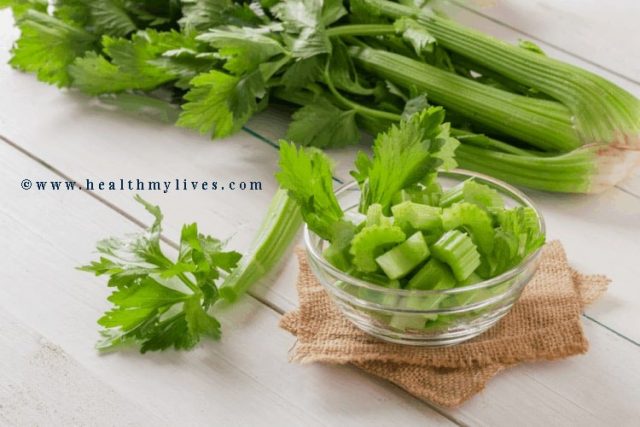
Celery is mostly water and provides some vitamin K, potassium, and fiber.
Staying well hydrated is good for your overall health, but there is no evidence that celery, parsley, or wheatgrass change your intimate scent or taste.
Celery works well in stir-fries with beef, squid, or shrimp, in soups, or as a crunchy snack.
If your vagina has a strong or unusual smell, especially a fishy odor, itching, burning, or unusual discharge, see a doctor.
This could be a sign of a gynecological infection such as bacterial vaginosis, which needs treatment.
5. Cranberry
Cranberry products may lower the risk of repeat urinary tract infections in some women, by roughly 25 percent in studies, though results are inconsistent.
Cranberry is not a treatment for an existing UTI, and there is no evidence it balances vaginal pH. If you think you have a UTI, see a doctor.
Some foods can temporarily change your scent:
• Strong-smelling foods: Garlic, onions, asparagus, and some spices can affect body odor, including vaginal scent, for a short time.
• Fish: Eating fish does not cause a vaginal infection. But a fishy vaginal odor is a common sign of bacterial vaginosis and should be checked by a doctor.
• Alcohol and smoking: Both can affect body odor and overall health.
A balanced diet, plenty of water, and good hygiene without douching are the best support for intimate health. If something smells or feels wrong, see your doctor rather than changing your diet.
Sources
- Vaginal Odor: Types, Causes, Diagnosis and Treatment, Cleveland Clinic
- Cinnamon: Usefulness and Safety, National Center for Complementary and Integrative Health (NIH)
- Cranberry: Usefulness and Safety, National Center for Complementary and Integrative Health (NIH)