Foods to eat and avoid during the first month of pregnancy
Contents
- Overview
- Foods that pregnant women should eat during the first month of pregnancy
- 1. Milk and dairy products
- 2. Foods rich in folate
- 3. Whole grains
- 4. Eggs
- 5. Fruits
- 6. Vegetables
- 7. Nuts and dried fruits
- 8. Fish
- 9. Meat
- Foods that pregnant women should avoid in the first month
- 1. Soft cheese
- 2. Packaged and processed foods
- 3. Seafood
- 4. Green papaya
- 5. Pineapple
- 6. Raw or undercooked meat
- 7. Snacks
- 8. Caffeine
- 9. Alcoholic beverages
- 10. Sweets
- Some notes about diet in the first month of pregnancy
- Sources
This post was most recently updated on July 25th, 2023
Overview
What you eat in the first month of pregnancy helps meet your own nutritional needs and supports your baby’s early growth and development.
Good nutrition matters throughout pregnancy, but the first weeks are especially important because the baby’s brain and spine start forming very early.
The CDC recommends that anyone who could become pregnant take 400 micrograms of folic acid every day, starting at least one month before conception.
In this article, you will learn which foods to eat and which to avoid during the first month of pregnancy.
Foods that pregnant women should eat during the first month of pregnancy
If you have taken a pregnancy test after a missed period and seen a positive result, congratulations: you are pregnant.
Expecting a baby often makes you more aware of how you eat, live, and stay active.
You should also avoid cigarettes, alcohol, and recreational drugs, and cut back on junk food.
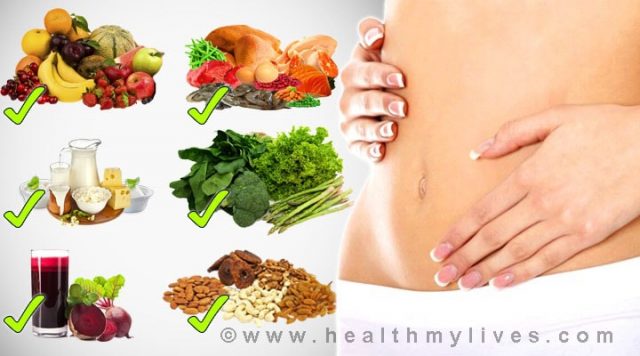
Your menu during the first month of pregnancy should include plenty of fruits and vegetables.
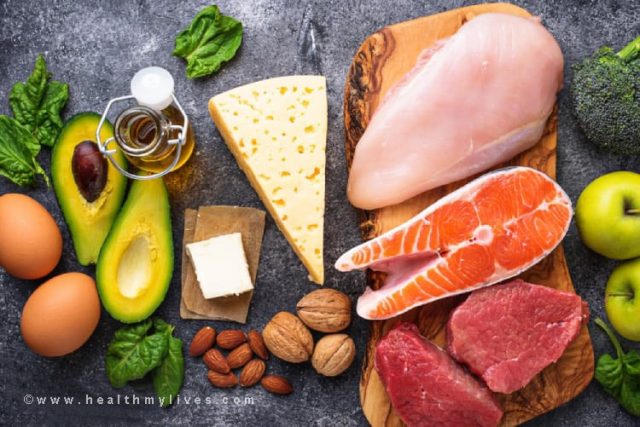
Here are a few suggestions for you:
1. Milk and dairy products
Milk and dairy products are good sources of calcium, protein, and, when fortified, vitamin D.
Pasteurized milk, yogurt, and cheese are all good choices during early pregnancy.
2. Foods rich in folate
Folic acid is essential for the development of the baby’s neural tube, which becomes the brain and spine.
So in addition to taking folic acid supplements, include folate-rich foods in your diet.
Dark green leafy vegetables, asparagus, citrus fruits, beans, peas, lentils, and avocado are rich in folate.
3. Whole grains
Whole grains are an excellent source of complex carbohydrates, fiber, B vitamins, iron, magnesium, and selenium.
These nutrients support your energy levels and your baby’s healthy growth.
Barley, brown rice, whole wheat bread, whole wheat pasta, millet, and oatmeal are good choices in the first trimester.
4. Eggs
Eggs are an excellent source of protein, vitamins A, B12, D, and E, and minerals like phosphorus, selenium, and zinc. They also contain choline, which supports the baby’s brain development.
Cook eggs until the yolks and whites are firm. Raw or runny eggs can carry salmonella.
5. Fruits
Fruits like melons, avocados, pomegranates, bananas, oranges, strawberries, and apples contain many of the vitamins, minerals, and antioxidants your baby needs to grow.
Wash fruit well before eating.

6. Vegetables
Prioritize green and leafy vegetables.
They provide essential nutrients, such as folate, iron, and fiber, that support your baby’s growth.
7. Nuts and dried fruits
Nuts and dried fruits are good sources of healthy fats, vitamins, protein, minerals, flavonoids, and fiber.
Eating them in moderate amounts benefits both you and your baby. Dried fruit is high in sugar, so keep portions small.
8. Fish
Fish is a good source of high-quality protein and omega-3 fatty acids, which support the baby’s brain and eye development.
It also provides vitamins B12 and D, as well as minerals like iodine, zinc, and selenium. The FDA advises pregnant women to eat 8 to 12 ounces (2 to 3 servings) a week of low-mercury fish, such as salmon, sardines, herring, shrimp, and canned light tuna.
9. Meat
Meat is a good source of protein, zinc, iron, and vitamin B12.
Eating moderate amounts of lean meat during pregnancy is good for the health of both mother and baby.
However, always cook meat thoroughly. Do not eat raw or undercooked meat.
Foods that pregnant women should avoid in the first month
During the first month of pregnancy, avoid or limit the following foods because they can harm the baby or your own health:
1. Soft cheese
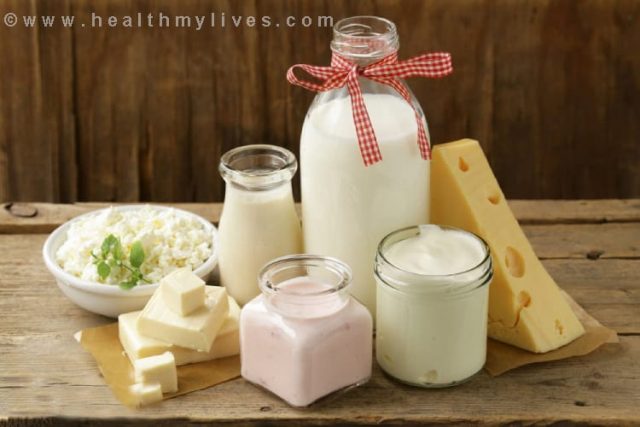
Soft cheeses made from unpasteurized (raw) milk can carry harmful bacteria such as listeria.
Listeria infection is rare but can cause miscarriage or serious illness in the baby.
Pasteurized soft cheeses such as mozzarella, feta, and cottage cheese are generally safe. Mold-ripened cheeses like brie and camembert, and soft blue cheeses, should be cooked until steaming hot.
2. Packaged and processed foods
Many packaged and processed foods, such as sweetened juices, baked goods, and candy, are high in sugar, sodium, and additives, and low in nutrients.
Some ready-to-eat foods, such as deli meats, hot dogs, and refrigerated smoked fish, can carry listeria unless heated until steaming hot.
When you can, cook at home with fresh ingredients.
3. Seafood
Some fish are very high in mercury, which can harm the baby’s developing brain and nervous system.
Avoid the highest-mercury fish: king mackerel, marlin, orange roughy, shark, swordfish, tilefish from the Gulf of Mexico, and bigeye tuna.
You do not need to avoid all seafood. Low-mercury choices like salmon, herring, oysters, and canned light tuna are healthy in pregnancy. Just avoid raw fish and raw shellfish, including sushi made with raw fish and raw oysters.
4. Green papaya
Unripe (green) papaya contains latex, which some animal studies suggest may trigger uterine contractions.
Because of this, many doctors advise avoiding raw, unripe papaya in pregnancy.
Ripe papaya does not carry the same concern and can be eaten in normal amounts. Ask your doctor if you are unsure.
5. Pineapple
Pineapple contains bromelain, an enzyme often claimed to soften the cervix.
There is no good evidence that eating normal amounts of fresh pineapple causes miscarriage. The amount of bromelain in a serving is small, so pineapple can be part of a healthy pregnancy diet. Avoid bromelain supplements unless your doctor approves.
6. Raw or undercooked meat
Raw or undercooked meat can carry bacteria such as salmonella and listeria, as well as the parasite that causes toxoplasmosis.
These infections can cause serious illness and affect the baby’s development.
Cook meat thoroughly, with no pink or red in the middle, to protect both you and your baby.
7. Snacks
Junk food is high in calories, sugar, salt, and unhealthy fats but low in nutrients.
Eating a lot of it during pregnancy can lead to excess weight gain, which raises the risk of complications such as gestational diabetes.
8. Caffeine
If you drink coffee, tea, or energy drinks, limit your caffeine while pregnant.
The NHS advises keeping caffeine to no more than 200 mg a day, because high intake is linked to a higher chance of miscarriage and stillbirth.
9. Alcoholic beverages
Alcohol passes to the baby and can cause lifelong problems, including fetal alcohol spectrum disorders.
No amount of alcohol is known to be safe during pregnancy, so avoid it completely.
10. Sweets
You do not need to “eat for two.” In the first trimester, most women need few or no extra calories. Calorie needs rise in the second and third trimesters, to about 300 extra calories a day.
Get those calories from nutritious foods like fruit, nuts, whole grains, and dairy rather than sweets.
Eating a lot of sugary food can lead to excess weight gain and raise the risk of gestational diabetes.
Some notes about diet in the first month of pregnancy

Here are some things to keep in mind about eating and drinking in the first month of pregnancy:
- If you were not taking a prenatal vitamin with folic acid before pregnancy, start one now and ask your doctor about the right dose.
- Talk to your doctor or a dietitian about how much to eat and which foods to prioritize or limit. Eating too much or too little can affect both you and your baby.
- Follow food safety rules: wash produce, cook meat and eggs thoroughly, and keep cold foods cold.
- Prioritize fruits, vegetables, and nuts over unhealthy snacks.
- Drink enough water.
- Stay active with safe, moderate exercise, if your doctor agrees.
During the first month of pregnancy, your body goes through many changes, such as hormonal shifts, mood changes, fatigue, and nausea or vomiting (morning sickness).
Eating small, frequent, healthy meals, resting, and staying moderately active can help you feel better.
These habits support a healthy pregnancy and help your baby grow and develop well.
Sources
- About Folic Acid, CDC
- Advice about Eating Fish, U.S. Food and Drug Administration
- Foods to avoid in pregnancy, NHS
- Eating right during pregnancy, MedlinePlus