Is “Lip Balm for Children” Really Safe?
Contents
Introduction
Some children may experience dry, cracked lips, or even bleeding during the winter season.
This makes the child’s lips hurt and uncomfortable.
To solve this problem, many parents reach for lip balm. Some lip balms are a good choice for children, but others contain ingredients that can irritate lips or be harmful if swallowed.
Parents(especially those who became for the first time) are always worried about what may or may not be happening to their children.
As a new parent, you will have many worries, so it helps to know how to handle common problems.
Among the troublesome problems of your baby, there is dryness, cracked lips.
What causes young lips to be dry and cracked?
Many factors cause children’s lips to be dry and cracked. The first is the weather. Cold, dry winter air, wind, sun and summer heat can all dry out lips until they crack or even bleed.
Besides, the reason why children have cracked lips may also be because they often lick their lips.
Saliva evaporates quickly and leaves lips drier than before. A cold or stuffy nose can also cause chapped lips, because children breathe through their mouths.
Not only that, but there are several other serious causes such as dehydration or an allergy to food or objects that children come into contact with.
Mild chapping often heals on its own. A gentle, fragrance-free balm can speed healing, but the ingredients matter.
What does “lip balm for children” usually contain?
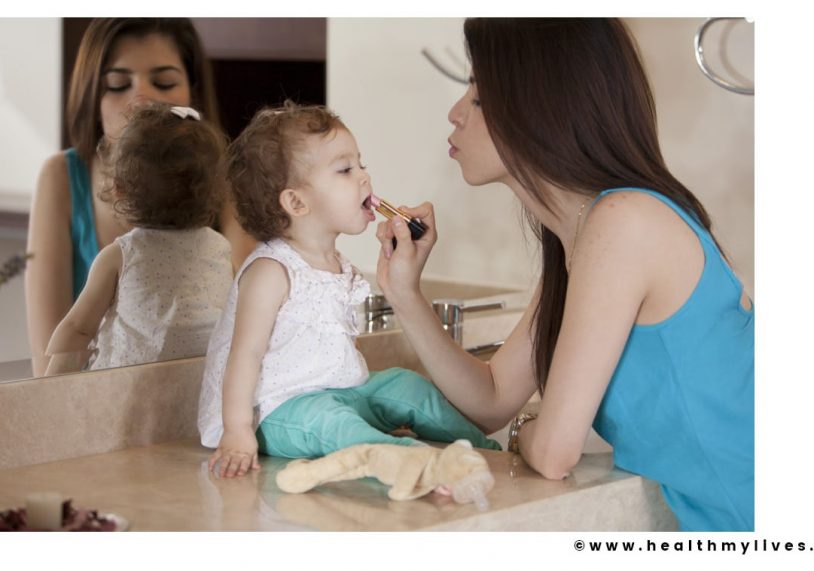
Lip balms may contain waxes, oils, petrolatum, emollients such as isopropyl myristate, lanolin, fragrance, flavoring and sometimes camphor, menthol or phenol.
Camphor is the main concern for young children. Swallowing camphor can cause nausea, vomiting, agitation and seizures, according to MedlinePlus. Keep camphor products away from children, and if a child swallows one, call Poison Help at 1-800-222-1222.
Does lip balm really help in the treatment of dry and cracked lips?
The right lip balm does help. Watch how your child’s lips respond. If they burn, sting or stay dry, the balm may be irritating them rather than helping.
The American Academy of Dermatology advises avoiding lip products with camphor, eucalyptus, flavorings, fragrance, lanolin, menthol and phenol when lips are chapped, because they can irritate. Ingredients that help include petrolatum (petroleum jelly), mineral oil, shea butter, dimethicone and ceramides.
Because children often lick or swallow some of their lip balm, a plain, fragrance-free, flavor-free product is the safest choice.
Lanolin is a natural oil from sheep’s wool. It is widely used in cosmetics and in nipple creams for nursing mothers. It moisturizes well, but some people are allergic to it, so the AAD lists it among ingredients that can irritate chapped lips.
That’s why you should read the label before choosing a Lip balm for children. Plain petroleum jelly is a simple, inexpensive option. If you prefer, you can make your own at home with a few simple ingredients.
The formula is easy to follow, but you should still review the ingredients to make sure your child is not allergic to any of them.
Simple formulas to make lip balm for children
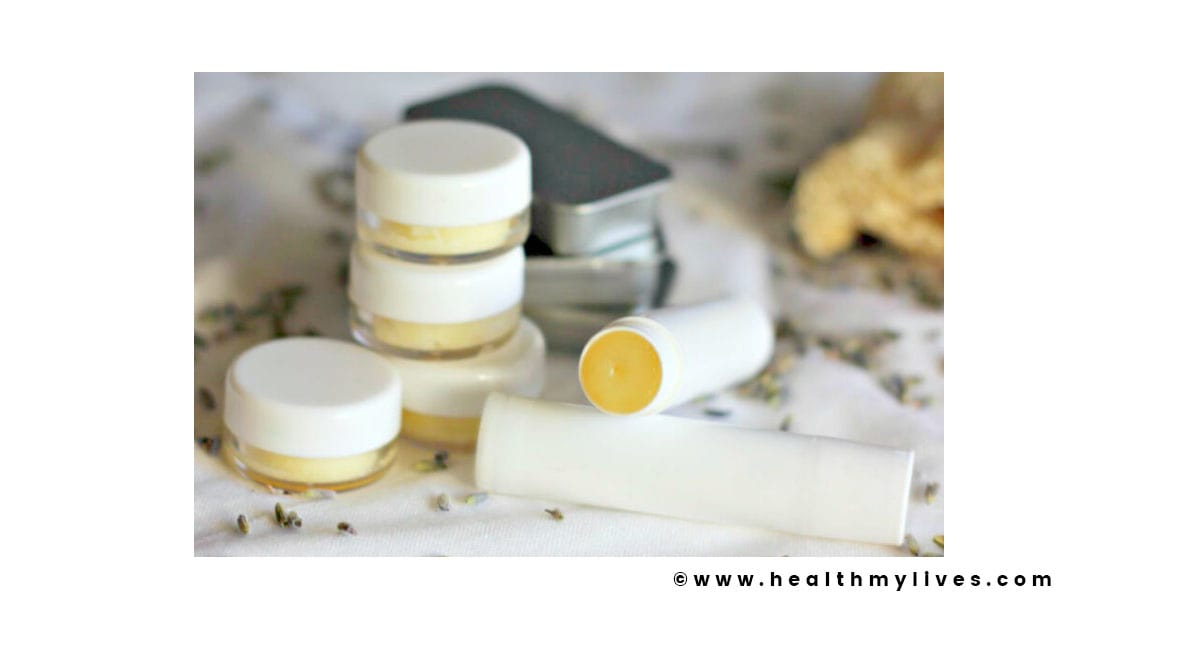
Ingredients:
- Beeswax.
- Coconut oil.
- Honey (only for children over 1 year old).
- Vitamin E capsules.
- Beeswax is the main ingredient. It seals in moisture and gives the balm its solid shape so it is easy to apply.
- Coconut oil softens and moisturizes the lips.
- Honey helps attract moisture to the skin. Leave it out for babies under 1 year: the CDC warns that honey can contain the bacteria that cause infant botulism, and babies swallow some of whatever goes on their lips.
- Vitamin E is an antioxidant oil often used in skin care.
Skip essential oils for young children, since fragrances and flavorings can irritate chapped lips.
Amount/Quantity: 1 tablespoon of beeswax, one tablespoon of coconut oil, a little honey, and two tablets of vitamin E.
Method: Melt the wax, then stir in the coconut oil, honey (if using) and the oil from two vitamin E capsules. Pour into a clean container, let it cool and use it. Test a small amount on your child’s skin first.
Conclusion
If you don’t have time to make your own, choose a fragrance-free balm without camphor or menthol, or use plain petroleum jelly or virgin coconut oil. Apply it often, including at bedtime.
If you are breastfeeding, offering feeds more often helps keep your baby hydrated. See your pediatrician if your child’s lips stay cracked for more than two to three weeks, bleed often or look infected, or if your baby shows signs of dehydration.
Sources
- 7 dermatologists' tips for healing dry, chapped lips, American Academy of Dermatology
- Camphor overdose, MedlinePlus Medical Encyclopedia
- Botulism Prevention, CDC