
Chronic Bronchitis: Causes, Symptoms And Preventive Measures
Contents
This post was most recently updated on July 25th, 2023
Among the non-communicable diseases, this post covers a serious one called “Chronic Bronchitis”. The disease itself is not contagious. It mostly develops after years of breathing in smoke or other irritants.
Overview:-

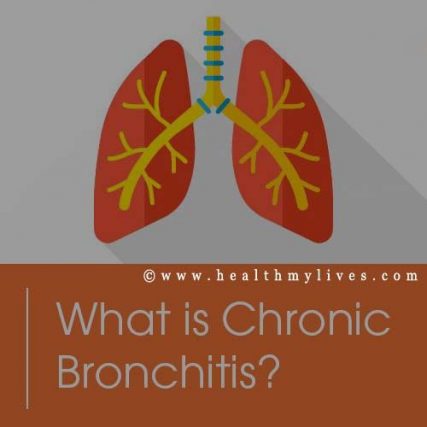
Chronic bronchitis is a long-term lung disease in which the airways (bronchial tubes) stay inflamed and make too much mucus. Doctors usually diagnose it when you have a cough with mucus on most days for at least 3 months.
Chronic bronchitis is one of the two main forms of Chronic Obstructive Pulmonary Disease, or COPD for short.
It is a long-term disease that usually develops slowly and gets worse over time.
It involves inflammation and narrowing of the airways, which limits airflow in and out of the lungs.
According to the NHLBI, COPD refers to two main conditions, chronic bronchitis and emphysema. Many people with COPD have some of both. Some people have both asthma and COPD*.*
What are the root causes of chronic bronchitis?
→ As it is a disease of the respiratory system, the causes mostly involve things that irritate the lungs. Some of the causes are given below:-
• Smoking cigarettes is the leading cause. The NHLBI says three out of four people who have COPD smoke or used to smoke.
• Long-term exposure to secondhand smoke, air pollution, dust or chemical fumes at work, and smoke from cooking or heating fuels without good ventilation can also cause it.
• A rare inherited condition called alpha-1 antitrypsin deficiency raises the risk of COPD.
• Respiratory infections such as the flu and pneumonia do not cause chronic bronchitis by themselves, but they can trigger flare-ups and make people with COPD very sick. That is why it is important to keep vaccinations up to date.
Are there any signs and symptoms of COPD?
→ Yes, there are. But at first, COPD may cause no symptoms or only mild ones.
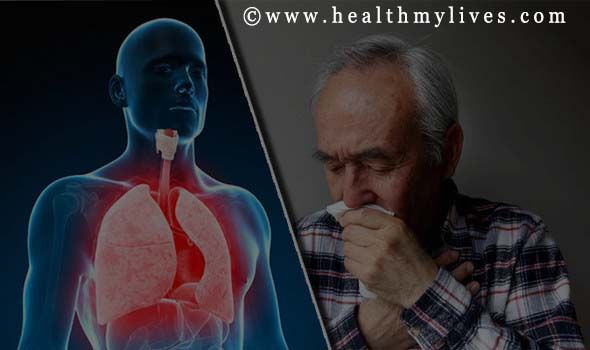
As the disease progresses, common symptoms include shortness of breath, wheezing, and chest tightness, especially with exercise, and a lasting cough, often with a lot of mucus.
• As symptoms get worse, breathing takes much more effort, and everyday tasks like getting dressed or climbing stairs get harder. Severe COPD can lead to fatigue, weight loss, and muscle loss.
• Symptoms can range from mild to moderate to severe at different stages of COPD.
• During a flare-up, breathing can suddenly get worse, with more coughing, yellow or green phlegm, and sometimes a fever.
• Some people also have a stuffy nose and sinuses, often due to the same irritants or infections.
What are the preventive measures of COPD?
→ COPD can often be prevented, mainly by not smoking. These steps help prevent it or keep it from getting worse:-
• Quit smoking, and never start. Ask your doctor about medicines and programs that can help you quit.
• Avoid lung irritants like secondhand smoke, air pollution, and dust or fumes at work, and use ventilation when cooking or heating with wood or other fuels.
• Wash your hands often and ask your doctor about vaccines for flu, pneumococcal pneumonia, and COVID-19. This does not prevent COPD itself, but it lowers the risk of the infections that cause flare-ups.
Sources
- What Is COPD?, NHLBI
- COPD: Causes and Risk Factors, NHLBI
- Chronic obstructive pulmonary disease (COPD), MedlinePlus
- Acute bronchitis, MedlinePlus