
SYMPTOMS FOR ASTHMA ATTACK-CAUSES AND PREVENTION
Contents
- Overview:-
- Signs and symptoms for Asthma attack:-
- asthma symptoms
- Causes of Asthma include the following points:-
- Peril or risk factors that credited for symptoms for Asthma attack are as follows:-
- Complexities:-
- Asthma complications may include the following:
- Prevention Methods:-
- Preventive measures also include:-
- Sources
Overview:-
Asthma is a long-term lung disease in which the airways narrow, swell, and produce extra mucus. This can make breathing difficult and cause coughing, wheezing and shortness of breath. This article covers the symptoms of an asthma attack, its causes, and ways to prevent attacks.
For some people, asthma is a minor nuisance. For others, it is a major problem that interferes with daily activities and can lead to a life-threatening asthma attack.
Asthma can't be cured, but its symptoms can be controlled. Because asthma often changes over time, work with your doctor to track your symptoms and adjust treatment as needed.
Signs and symptoms for Asthma attack:-
Asthma symptoms vary from person to person. You may have rare attacks, have symptoms only at certain times, such as when exercising, or have symptoms all the time.
Following are the signs that may be seen on symptoms for Asthma attack :
- Shortness of breath is one of the main symptoms for Asthma attack.
- Chest tightness or pain.
- Trouble sleeping caused by shortness of breath, coughing or wheezing.
- A whistling or wheezing sound when breathing out (wheezing is a common sign of asthma in children) is also regarded as a symptom of an asthma attack.
- Coughing or wheezing attacks that get worse with a respiratory virus, such as a cold or the flu.
Signs that your asthma is getting worse are listed below:
- Symptoms that are more frequent and more bothersome.
- Increasing difficulty breathing (measurable with a peak flow meter, a device used to check how well your lungs are working).
- The need to use a quick-relief inhaler more often.
For some people, asthma symptoms flare up in certain situations. They are:-
- Exercise-induced asthma, which may be worse when the air is cold and dry.
- Occupational asthma, triggered by workplace irritants such as chemical fumes, gases or dust.
- Allergy-induced asthma, triggered by airborne substances such as pollen, mold spores, cockroach waste or particles of skin and dried saliva shed by pets (pet dander).
asthma symptoms
Causes of Asthma include the following points:-
It isn't clear why some people get asthma and others don't, but it's probably due to a combination of environmental and inherited (genetic) factors.
Exposure to various irritants and substances that trigger allergies (allergens) can set off asthma symptoms. Triggers differ from person to person and can include:
- Airborne allergens, such as pollen, dust mites, pet dander, mold spores or particles of cockroach waste.
- Cold air.
- Respiratory infections, such as the common cold or flu.
- Strong emotions and stress.
- Physical activity (exercise-induced asthma).
- Air pollutants and irritants, such as smoke.
- Gastroesophageal reflux disease (GERD), a condition in which stomach acids back up into your throat.
- Certain medicines, including beta blockers, aspirin, ibuprofen (Advil, Motrin IB, others) and naproxen (Aleve).
- Sulfites and preservatives added to some foods and drinks, including shrimp, dried fruit, processed potatoes, beer and wine.
Peril or risk factors that credited for symptoms for Asthma attack are as follows:-
Several factors are thought to increase your chances of developing asthma. These include:
- Having a blood relative (such as a parent or sibling) with asthma.
- Being overweight or obese.
- Having another allergic condition, such as atopic dermatitis or allergic rhinitis (hay fever).
- Smoking is one of the root factors for this disease.
- Exposure to secondhand smoke.
- Exposure to occupational triggers, such as chemicals used in farming, hairdressing and manufacturing.
- Exposure to exhaust fumes or other types of air pollution.
Complexities:-
Asthma complications may include the following:
- Symptoms that interfere with sleep, work or recreational activities.
- Sick days from work or school during asthma flare-ups.
- Permanent narrowing of the bronchial tubes (airway remodeling) that affects how well you can breathe.
- Emergency room visits and hospitalizations for severe asthma attacks.
- Side effects from long-term use of some medicines used to control severe asthma.
Proper treatment makes a big difference in preventing both short-term and long-term complications caused by this respiratory disease.
Prevention Methods:-
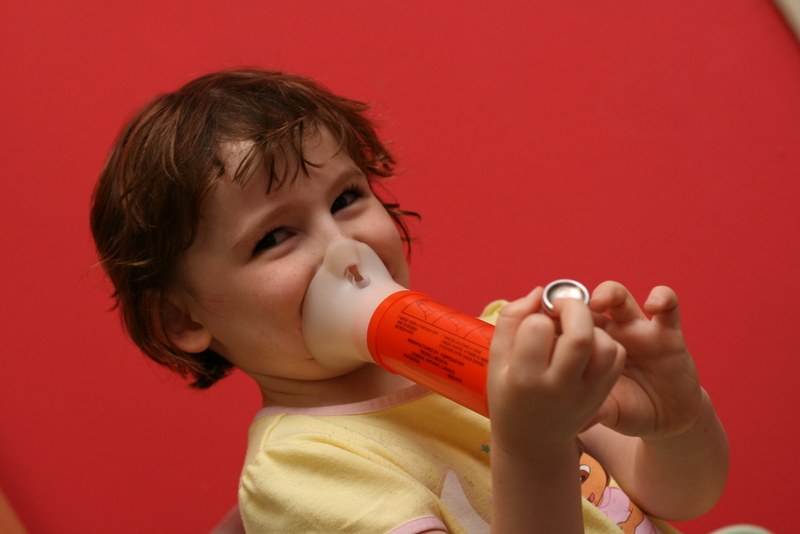
Photo by Tradimus, CC BY-SA 3.0, via Wikimedia Commons

While there's no sure way to prevent asthma, you and your doctor can design a step-by-step plan for living with your condition and preventing asthma attacks.
- Follow your asthma action plan. With your doctor and health care team, write a detailed plan for taking medicines and managing an asthma attack. Then be sure to follow your plan.
Asthma is an ongoing condition that needs regular monitoring and treatment. Taking control of your treatment can make you feel more in control of your life in general.
- Get vaccinated for influenza and pneumonia. Staying current with vaccinations can prevent flu and pneumonia from triggering asthma flare-ups.
- Identify and avoid asthma triggers. A number of outdoor allergens and irritants, ranging from pollen and mold to cold air and air pollution, can trigger asthma attacks.
- Monitor your breathing. You may learn to recognize warning signs of an oncoming attack, such as slight coughing, wheezing or shortness of breath. Because your lung function may decrease before you notice any symptoms, regularly measure and record your peak airflow with a home peak flow meter.
- Identify and treat attacks early. If you act quickly, you're less likely to have a severe attack. You also won't need as much medicine to control your symptoms.
Preventive measures also include:-
When your peak flow measurements drop and alert you to an oncoming attack, take your medicine as instructed and stop any activity that may have triggered the attack. If your symptoms don't improve, get medical help as directed in your action plan.
A severe attack that doesn't respond to your quick-relief inhaler needs emergency care.
- Take your medicine as prescribed. Even if your asthma seems to be improving, don't change anything without first talking to your doctor. It's a good idea to bring your medicines to each doctor visit, so your doctor can check that you're using them correctly and taking the right dose.
- Pay attention to increasing quick-relief inhaler use. If you find yourself relying on your quick-relief inhaler, such as albuterol, your asthma isn't under control. See your doctor about adjusting your treatment.
As MedlinePlus explains, daily control medicines reduce airway inflammation, while quick-relief medicines ease symptoms during an attack.
Sources
- Asthma, MedlinePlus
- Asthma: Causes and Triggers, National Heart, Lung, and Blood Institute