
TUBERCULOSIS- 8 SYMPTOMS, CAUSES, TREATMENTS & PREVENTION
Contents
- Overview:-
- Occurrence
- Causative Organism
- Other Species
- Reservoir and Source of Infection
- Mode of Transmission
- Incubation Period
- Types of Tuberculosis
- Based on Organ Involved
- Common Organs involved
- Symptoms
- Pulmonary Tuberculosis(Lung TB)
- Extra-pulmonary Tuberculosis
- Diagnosis
- Preventions of Tuberculosis
- Treatments of Tuberculosis
- Sources
Overview:-
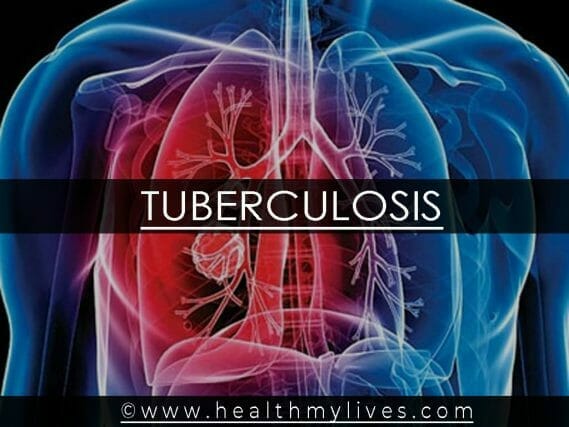
Tuberculosis (TB) is a contagious bacterial disease that spreads most easily in crowded, poorly ventilated places. It mainly affects the lungs but can affect other parts of the body, such as the lymph nodes, brain, kidneys, or spine. It is also known as Koch’s disease or the white plague.
TB in the lungs is called pulmonary tuberculosis, while TB in other organs is called extra-pulmonary tuberculosis. Without treatment, it slowly destroys tissue and can be fatal.
According to the WHO, about a quarter of the world's population carries TB bacteria, though most never get sick. In 2024, an estimated 10.7 million people fell ill with TB and 1.23 million died. In Nepal, it is generally known as “Kshay Rog.”
Occurrence
It is a widely spread disease found in almost every country of the world. Most cases occur in South and Southeast Asia and Africa, and TB remains a major public health problem in Nepal.
It is much less common in the USA, where most cases are linked to people born in countries where TB is common.
Causative Organism
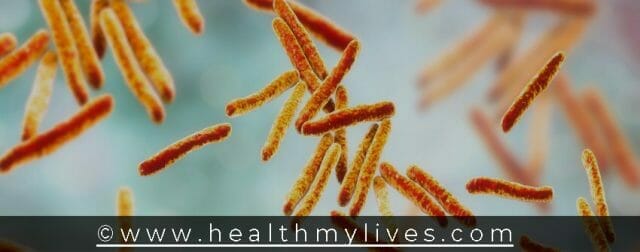
The causative agent of tuberculosis is Mycobacterium tuberculosis. It is a small rod-shaped, non-capsulated, non-sporulating, and non-motile bacillus bacterium. It is an Acid-fast bacillus commonly known as AFB in a short form.
Other Species
a) M. bovis – Infects cattle. Spreads from raw milk/meat.
b) M. africanum.
c) M. avium/ intracellular complex(MAC): In AIDS patients.
Reservoir and Source of Infection
Mycobacterium tuberculosis lives mainly in infected people, but in some cases, infected cattle also serve as a reservoir for M. bovis. The source of infection in lung TB is the respiratory droplets of a sick person, and for bovine TB, the milk of infected cows.
Extra-pulmonary tuberculosis (TB outside the lungs and throat) usually does not spread to others.
Mode of Transmission
- Airborne droplets released when a person with active lung or throat TB coughs, speaks, or sings.
- Bovine TB may spread by the consumption of unpasteurized milk/raw meat.
This disease spreads mostly through the air from the lungs and throat of a person with active disease. The germs can stay in the air for hours, especially in poorly ventilated rooms. TB does not spread by shaking hands or sharing food.
Incubation Period
The incubation period of tuberculosis is quite variable, ranging from some weeks to years. Many infected people have inactive (latent) TB, which causes no symptoms and does not spread, but it can turn into active disease later without treatment.
Types of Tuberculosis
A) Primary TB: Infection in a previously uninfected or unimmunized individual.
B) Secondary TB: Infection in a previously sensitized( by infection or immunization) host.
Based on Organ Involved
a) Pulmonary TB
- TB of Lungs- Most frequent sites of infection.
- Commonly affects the lower part of the upper lobe and upper part of the lower portion (Primary) or apices of lungs(Secondary).
b) Extrapulmonary TB
- TB of tissues other than lungs.
- Commonly occurs by hematogenous spread from pulmonary focus. May occur by a primary infection of the organ itself.(e.g. Intestinal TB)
Common Organs involved
→ Lymph nodes: Tuberculosis lymphadenitis.
→ Meninges: Tuberculosis meningitis.
→ Kidneys: Renal TB.
→ Adrenal Glands.
→ Bones: Tuberculosis osteomyelitis.
→ Vertebrae: Pott’s spine.
→ Intestine: Intestinal, TB.
- Miliary TB results from the widespread dissemination of the organism through the bloodstream.
- TB is rare in hair and nail.
Symptoms
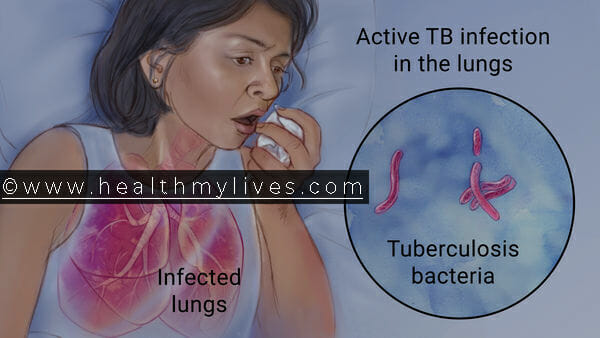
Symptoms depend on which organ is affected. According to the CDC, common symptoms of active TB include:
-
Pulmonary Tuberculosis(Lung TB)
- A cough that lasts three weeks or longer.
- Fever and chills.
- Coughing up blood or sputum.
- Unexplained weight loss.
- Chest pain.
- Loss of appetite.
- Night sweats.
- Weakness and tiredness.
-
Extra-pulmonary Tuberculosis
- Symptoms depend on the organ involved, such as swollen lymph nodes in the neck, back pain in spinal TB, or headache and confusion in TB meningitis. Fever, weight loss, and night sweats are also common.
Diagnosis
- A tuberculin (Mantoux) skin test or a TB blood test (IGRA) shows TB infection. A positive result does not tell whether the TB is inactive or active.
- Chest X-ray.
- Sputum tests (smear, culture, and molecular tests) confirm active lung TB.
- Gastric analysis or tissue samples, especially in children or extra-pulmonary TB.
Preventions of Tuberculosis
The preventions against this disease include:
- Mass education concerning the danger of tuberculosis.
- Avoid smoking. If you are not a smoker, then never start it.
- Identification and proper treatment of TB patients.
- BCG (Bacillus Calmette Guerin) vaccination of babies in high-TB countries, which protects young children from severe forms of TB. It is not generally used in the USA.
- Testing people at high risk and treating inactive TB before it becomes active.
- Ensuring a safe milk supply and elimination of tuberculosis among dairy cattle.
- Improvement of ventilation, personal hygienic measures of living and nutrition.
- Rehabilitation.
Treatments of Tuberculosis
Various government and private organizations(NGOs) are working for the eradication of this highly contagious disease in different countries like Nepal and the USA. This disease requires better treatment in its early stages for better results.
To control this serious disease, Nepal uses the DOTS strategy (Directly Observed Treatment, Short-course). DOTS involves good quality diagnosis and a short course of TB medicines taken under direct supervision, so no doses are missed.
According to the CDC, active TB is treated for 4, 6, or 9 months with a combination of drugs such as isoniazid, rifampin, pyrazinamide, and ethambutol (some regimens use rifapentine and moxifloxacin). Patients must take every dose until the course is finished.
Drug-resistant TB needs special medicines and expert care. Older drugs like streptomycin and PAS are now used mainly for drug-resistant TB.
Some Facts about tuberculosis
→ World TB day is celebrated every 24th of March.
→ SAARC TB and HIV/AIDS centers are located in Nepal (Thimi, Bhaktapur).
→ TB is the most common opportunistic infection in AIDS patients.
Sources
- Tuberculosis, World Health Organization
- About Tuberculosis, CDC
- Treating Tuberculosis, CDC
- Testing for Tuberculosis, CDC