
THROAT CANCER-SYMPTOMS,CAUSES,TREATMENTS&PREVENTION
Contents
Overview:-
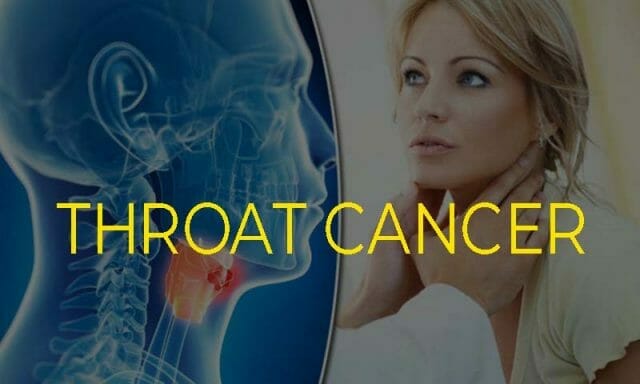
Throat cancer is a cancerous tumor that develops in the throat (pharynx), the voice box (larynx), or the tonsils.
The pharynx is a muscular tube about 5 inches (13 cm) long. It begins behind the nose and ends in the neck.
Actually, cancer is a growth of abnormal cells that multiply out of control.
A throat tumor can grow and spread to nearby parts, such as the larynx, the tonsils, and the lymph nodes in the neck.
The larynx (also called the voice box) holds the vocal cords, which vibrate to produce sound when we speak.
Cancer in the voice box can stop the vocal cords from vibrating normally, so the voice may become hoarse or unclear.
Throat cancer can also affect the tonsils and the epiglottis, the flap that covers the windpipe when you swallow. A large tumor can make breathing and swallowing difficult.

What are the symptoms of throat cancer?
Common symptoms of throat cancer include:-
- A change in your voice, such as hoarseness, an unclear voice, or cracking, that does not go away.
- A cough that lasts for weeks.
- Difficulty breathing.
- Coughing up blood.
- A lump in the neck.
- Difficulty or pain when swallowing foods and liquids.
- Ear pain, or ringing in the ears.
- Irritation in the throat or symptoms like pharyngitis.
- Loss of appetite.
- A sore throat that does not go away.
- Unexplained weight loss could be also one of the symptoms of throat cancer.
- Persistent pain in the neck or throat. (Long-lasting headaches like migraine are not a typical sign.)
These symptoms can also come from less serious conditions, so see a doctor if any of them last more than three weeks.
What are the causes of throat cancer?
Doctors don't always know why one person gets throat cancer and another doesn't, but a healthy lifestyle lowers the risk. According to the National Cancer Institute, the main risk factors include:-
- Smoking cigarettes, cigars, or pipes, including exposure to secondhand smoke.
- Heavy alcohol use. Using tobacco and alcohol together raises the risk more than either one alone.
- Infection with human papillomavirus (HPV), especially type 16, which causes about three-quarters of cancers in the tonsils and back of the throat (oropharynx). Throat cancer itself is not contagious.
- Chewing tobacco, snuff, and betel quid (paan) are injurious to health and are major causes of mouth and throat cancer.
- Workplace exposure to substances such as asbestos and some synthetic fibers, linked to cancer of the voice box.
- Previous radiation treatment to the head and neck.
- Epstein-Barr virus infection and some rare inherited conditions, such as Fanconi anemia.
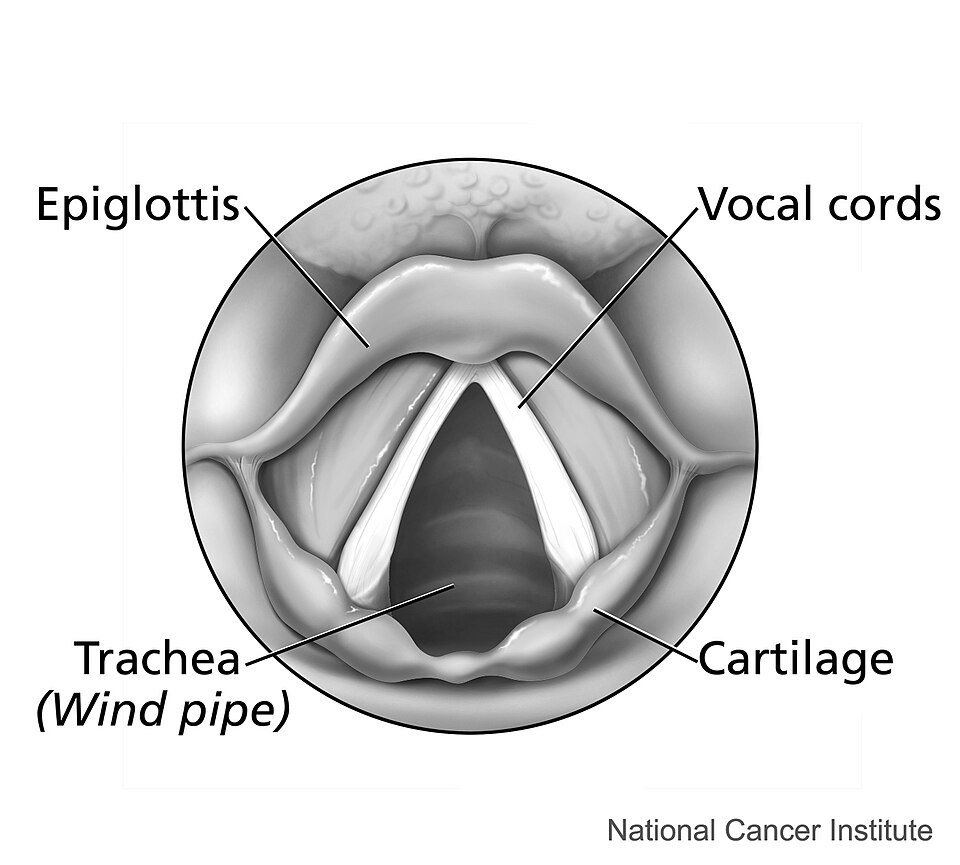
Photo by Alan Hoofring (Illustrator), Public domain, via Wikimedia Commons

Preventive Measures
- Stop smoking. If you are not a smoker, don't start, because tobacco is the biggest risk factor for throat cancer.
- Limit alcohol. If you drink, drink in moderation, and avoid combining alcohol with tobacco.
- Follow a healthy life, with plenty of fruits and vegetables.
- Keep a healthy weight and stay active.
- Avoid chewing tobacco and betel quid.
- See a doctor or dentist about any mouth or throat symptom that does not go away. There is no standard screening test, but dentists may check your mouth during routine exams.
- Protect yourself from HPV. The virus spreads through sexual contact and can cause cancers of the tonsils and back of the throat. The HPV vaccine and safer sex lower your risk.

Treatments of throat cancer:-
First, see a doctor if you have symptoms. If cancer is suspected, you will usually be referred to an ear, nose, and throat (ENT) specialist.
To diagnose throat cancer, the doctor may use the following tests:
- A physical exam of the throat and neck.
- Laryngoscopy or endoscopy (a thin, lighted tube to look inside the throat).
- Barium swallow (a series of X-rays after drinking a barium liquid).
- CT scan.
- Biopsy, which confirms the diagnosis.
- MRI or PET scan.
Treatment Method:-
The main treatments for throat cancer are surgery, radiation therapy, and chemotherapy. Targeted therapy and immunotherapy are also used for some patients.
Many patients get a combination of treatments. The plan depends on where the tumor is, how far it has spread (the stage), and the patient's age and general health.
Small, early cancers may be treated with surgery or radiation alone. Larger tumors often need a combination, such as chemotherapy and radiation together, or surgery followed by radiation.
Sources
- Head and Neck Cancers, National Cancer Institute
- Laryngeal Cancer Treatment (PDQ), Patient Version, National Cancer Institute