Albuterol – Uses, Dosage, Side Effects and Warnings
Contents
Understanding
Albuterol is a prescription medicine for people with lung diseases such as asthma and chronic obstructive pulmonary disease (COPD), which includes emphysema and chronic bronchitis.
It is used to prevent and treat wheezing, coughing, shortness of breath and chest tightness caused by narrowed airways (bronchospasm). The inhaler can also be used before exercise to prevent breathing problems.
Albuterol belongs to a class of medicines called bronchodilators. It relaxes and opens the airways to the lungs, making breathing easier. It relieves or prevents symptoms of asthma and COPD but does not cure these diseases.
For asthma, albuterol is a quick-relief, or "rescue," inhaler for sudden symptoms. It is not meant to replace a daily controller medicine if your doctor has prescribed one.
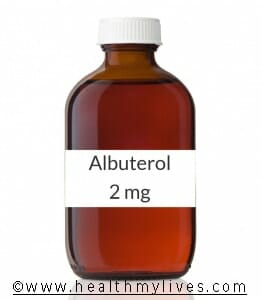
Albuterol also comes as tablets and a liquid taken by mouth, but the inhaler is the most common form.
For adults, the usual inhaler dose is 2 puffs every 4 to 6 hours as needed. Always follow the directions on your prescription label, and never use more than prescribed.
If you need your rescue inhaler more than 2 days a week for asthma symptoms (not counting use before exercise), your asthma may not be well controlled. Talk to your doctor.
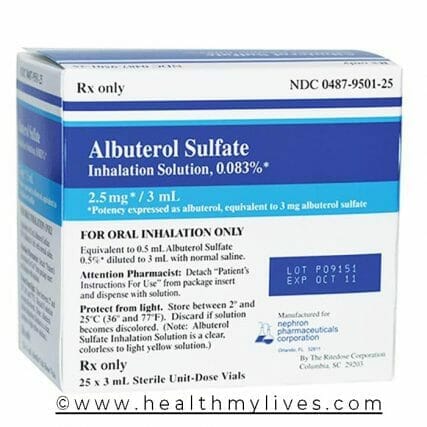
Albuterol can also be inhaled as a nebulizer solution (a liquid turned into a mist by a machine) or as a dry powder inhaler.
Aerosol inhalers usually hold about 200 puffs; the exact number is on the label. Once you have used that many puffs, throw the inhaler away even if it still seems to spray.
After the labeled number of puffs, the inhaler may not deliver the right dose. Many inhalers have a dose counter that tells you when to get a refill. If yours has no counter, keep track of your puffs.
Dosage/How to use albuterol?
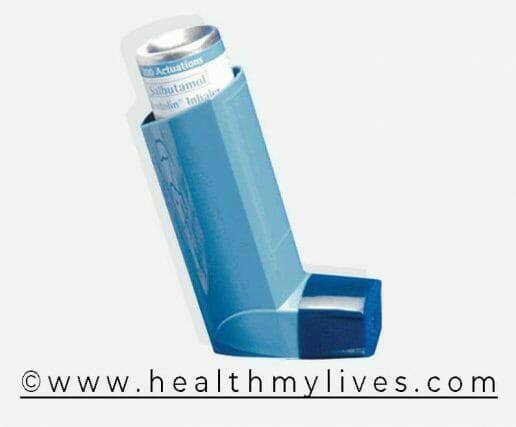
According to MedlinePlus, from the National Library of Medicine, these are the steps for using an aerosol inhaler:
- Remove the dust cover or, if the dust cover was not tightened, check the nozzle for dirt or other items.
- If you are using the inhaler for the first time, have not used it for more than 14 days, or have dropped it, prime it. Shake well and press the canister four times to release four sprays into the air, away from your face.
- Shake the inhaler well.
- Exhale completely.
- Place the mouthpiece in the mouth. Close the lips tightly around the mouthpiece.
- Breathe in slowly and deeply through the mouthpiece. Press down on the canister once to release the medicine.
- Hold your breath for about 10 seconds, remove the inhaler, and breathe out slowly.
- If you were told to take two puffs, wait 1 minute before the second puff.
If you use a nebulizer, follow these steps:
- Remove one vial of albuterol solution from the foil pouch. Leave the rest of the vials in the pouch.
- The liquid in the vial should be clear and colorless. Do not use it if it is cloudy or discolored.
- Twist off the top of the vial and squeeze all the liquid into the nebulizer cup.
- Connect the nebulizer cup to the mouthpiece or face mask.
- Connect the nebulizer to the compressor.
- Place the mouthpiece in the mouth or on the face mask. Sit upright, comfortably and switch on the compressor.
- Breathe in calmly, deeply, and evenly for about 5 to 15 minutes, until mist stops forming in the chamber.
Here is the video tutorial on how to properly use albuterol inhaler:
Clean your inhaler or nebulizer regularly. If it is not cleaned, the medicine may not spray properly.
If you take albuterol tablets, extended-release tablets, or liquid, follow your doctor's instructions exactly. Swallow extended-release tablets whole; do not chew, crush, or split them.
Brand-name albuterol inhalers include Ventolin HFA, Proventil HFA, and ProAir. Store albuterol at room temperature, away from heat, moisture, and direct light, unless the label says otherwise.
Side effects of albuterol
Albuterol can cause side effects. MedlinePlus lists the following as common; tell your doctor if they are severe or don't go away:
- Uncontrollable shaking of a part of the body.
- Nervousness.
- Slight and sick headache.
- Nausea.
- Vomiting.
- Coughing.
- Irritation in the throat.
- Pain in muscle, bone or back pain.
Warnings
The following side effects can be serious. Call your doctor right away or get emergency help if:
- You experience fast, pounding or irregular heartbeat.
- You feel severe chest pain.
- You develop a rash.
- You experience hives.
- You feel itching.
- Your face, throat, tongue, lips, eyes, hands, feet, ankles or lower legs swell.
- Your breathing gets harder.
- You have difficulty swallowing.
- You feel hoarseness.
What if patients use overdosed albuterol?
It is possible to overdose on albuterol. In an emergency, call 911 or Poison Control (1-800-222-1222). Symptoms of an overdose can include:
- Seizures.
- Chest pain.
- Fast, irregular or thumping heartbeat.
- Nervousness.
- Headache.
- Uncontrollable shaking of a part of the body.
- Dry mouth.
- Nausea.
- Dizziness.
- Excessive fatigue.
- Lack of energy.
- Difficulty falling asleep or sleeping.
Before using albuterol, tell your doctor if you have any of the following:
- Heart disease, an irregular heartbeat, or heart failure, or high blood pressure.
- Seizures (epilepsy).
- Diabetes.
- Overactive thyroid gland.
Also tell your doctor if you are pregnant, plan to become pregnant, or are breastfeeding.
Uncontrolled asthma during pregnancy can reduce the oxygen your baby gets, so do not stop asthma medicines on your own. Your doctor can weigh the benefits and risks of albuterol for you.
Asthma myths about steroids (note: albuterol is a bronchodilator, not a steroid):
Sources
- Albuterol Oral Inhalation, MedlinePlus (National Library of Medicine)
- Asthma: Treatment and Action Plan, National Heart, Lung, and Blood Institute (NIH)