Gonorrhea: Causes, Symptoms, Treatment & Prevention

Contents
This post was most recently updated on July 25th, 2023
Overview:-
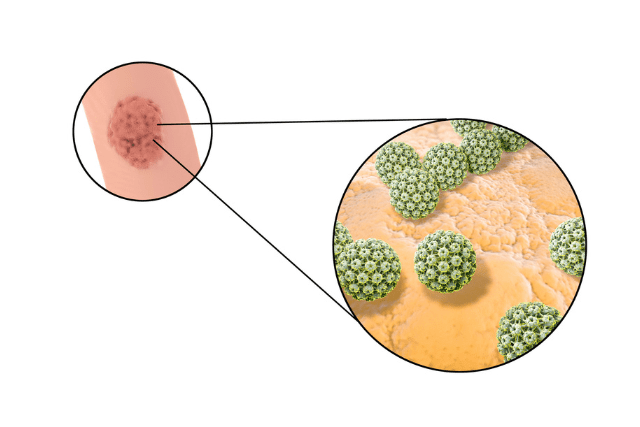
Gonorrhea is a sexually transmitted infection (STI) caused by a bacterium called gonococcus (also called Neisseria gonorrhoeae). It infects both men and women. The bacteria most often infect the urethra, the cervix in women, the rectum, and the throat. In newborns, the infection usually affects the eyes, because the baby picks it up while passing through the birth canal of an infected mother.
Gonorrhea is spread through vaginal, anal, or oral sex. According to the CDC, it is very common among people ages 15 to 24. A pregnant woman with gonorrhea can also pass it to her baby during childbirth.
Many people with gonorrhea have no symptoms, so you may not know you are infected. Using condoms correctly every time you have sex greatly lowers your risk.
What are the sign and symptoms of gonorrhea?
As mentioned above, many people with gonorrhea, especially women, have no symptoms. When symptoms do appear, they mainly affect the genitals, rectum, and throat, and they differ between men and women.
Symptoms on males of gonorrhea:-
• Unusual discharge from the penis that may be white, yellow, or green.
• The discharge may be pus-like.
• A burning feeling or pain when urinating.
• Painful or swollen testicles. This is less common.
Symptoms on females of gonorrhea:-
• Increased vaginal discharge.
• Pain in the lower abdomen or pelvis.
• Pain or burning when urinating.
• Vaginal bleeding between periods.
• Pain during sex.
Symptoms in women are often mild and can be mistaken for a bladder or vaginal infection. Untreated gonorrhea can spread to the uterus and fallopian tubes and cause pelvic inflammatory disease (PID), which can lead to infertility.
Symptoms that are common in both gender:-

- Red, sore eyes with discharge (conjunctivitis), if infected genital fluids get into the eye.
- A throat infection, which often has no symptoms but can cause a sore throat similar to pharyngitis or tonsillitis.
- Discharge from the rectum.
- Anal itching, soreness, bleeding, or painful bowel movements.
What are the causes of gonorrhea?
Gonorrhea is caused by the bacterium Neisseria gonorrhoeae. It spreads through vaginal, anal, or oral sex without a condom with someone who has the infection.
It is not inherited. However, a mother with untreated gonorrhea can pass it to her baby during childbirth, which can cause a serious eye infection in the newborn. This is why pregnant women are tested and treated promptly.
What are the risk factors of gonorrhea?
- Being young and sexually active. Gonorrhea is most common in people ages 15 to 24.
- Having a new sex partner, especially one whose STI status you do not know.
- Having multiple sex partners, or a partner who has multiple partners.
- Having had gonorrhea or another STI before.
- Having sex without a condom, or sharing sex toys without washing them or covering them with a new condom.
What are the preventions of gonorrhea?
As gonorrhea is a sexually transmitted infection, safer sex is the key to preventing it. The preventions are as follows:-
- Use a condom correctly every time you have vaginal, anal, or oral sex.
- Avoid sex with partners whose STI status you do not know.
- Being in a long-term, mutually monogamous relationship with a partner who has tested negative lowers your risk.
- Talk openly with your partner about STI testing before having sex.
- Avoid sex with anyone who has symptoms of an STI until they have been tested and treated.
- Get tested regularly. The CDC recommends yearly testing for sexually active women under 25, women 25 and older with risk factors such as a new or multiple partners, and sexually active gay and bisexual men.

Treatments
Gonorrhea can be cured with the right antibiotics. The infected person, and their sex partners, need prompt treatment.
The CDC’s treatment guidelines recommend a single injection of ceftriaxone into a muscle (500 mg for most adults). If chlamydia has not been ruled out, doctors also prescribe doxycycline pills twice a day for 7 days.
For people with a severe allergy to cephalosporins such as ceftriaxone, an alternative is a single injection of gentamicin plus a single oral dose of azithromycin. Only a doctor should choose the treatment.
After treatment, wait seven days and until your partners are treated before having sex. Get retested about three months later. Drug-resistant gonorrhea is increasing, so see your doctor if symptoms last more than a few days after treatment.
Sources
- About Gonorrhea, CDC
- Gonococcal Infections Among Adolescents and Adults, CDC STI Treatment Guidelines