6 benefits of mangosteen fruits during pregnancy
Contents
- Overview
- Can pregnant women eat mangosteen?
- Nutritional value of mangosteen
- Benefits of mangosteen for pregnant women
- 1. Adds some folate
- 2. Provides manganese
- 3. Provides vitamin C
- 4. Blood sugar: a caution
- 5. Helps with constipation
- 6. Early lab research on tuberculosis
- Tips on how to buy mangosteen
- Tips on how to preserve fresh mangosteen longer
- Sources
Overview
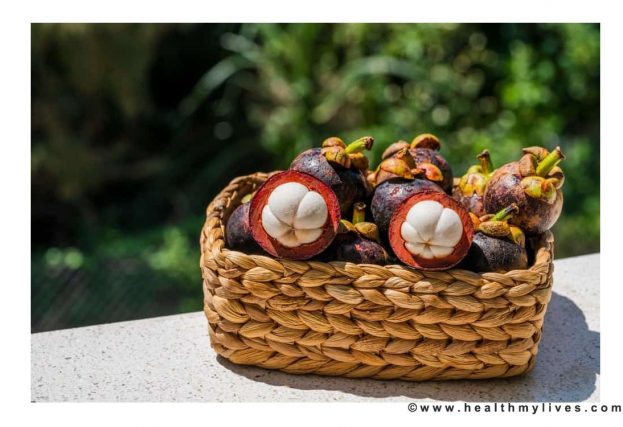
Mangosteen can add variety to the diet of pregnant women and provides fiber and some vitamins and minerals.
Mangosteen is often called the "queen of tropical fruits" for its sweet, slightly tangy flesh.
However, many pregnant women worry about safety on eating mangosteen because pregnancy is always considered as a quite sensitive period.
This article covers what mangosteen offers and a few things to keep in mind.
Can pregnant women eat mangosteen?
Yes. Like other fruits, the whole fruit eaten in normal amounts is considered fine during pregnancy. Wash the fruit before cutting it.
Mangosteen supplements, juices, and extracts are a different matter. Their safety in pregnancy has not been studied, so avoid them unless your doctor approves.
Mangosteen provides some folate, vitamins, and minerals, but no single fruit can prevent birth defects or replace a prenatal vitamin.
Nutritional value of mangosteen
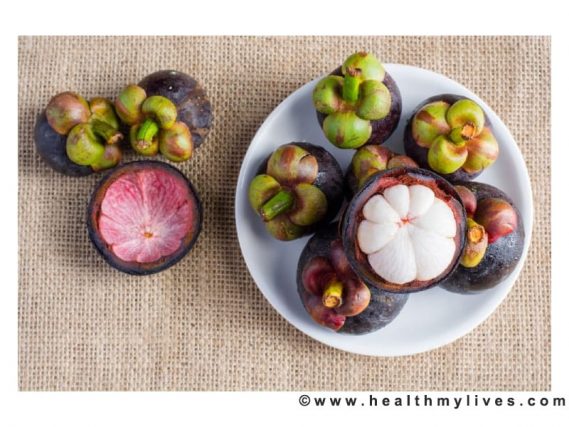
Mangosteen is moderate in calories and provides several nutrients. One cup (196 g) of canned mangosteen in syrup contains about:
| Nutrients | Amount |
| Calories | 143 |
| Carbs | 35gm |
| Fibre | 3.5gm |
| Fat | 1gm |
| Protein | 1gm |
| Vitamin C | 9% of the RDI |
| Vitamin B9(folate) | 15% of the RDI |
| Vitamin B1(thiamine) | 7% of the RDI |
| Vitamin B2(riboflavin) | 6% of the RDI |
| Manganese | 10% of the RDI |
| Copper | 7% of the RDI |
| Magnesium | 6% of the RDI |
* RDI: Reference Daily Intake. Canned mangosteen in syrup also contains added sugar.
The vitamins and minerals in mangosteen are important for maintaining many body functions, including DNA production, muscle contraction, wound healing, immune system improvement, and nerve signals.
A cup also provides 3.5 g of fiber, a nutrient many people don't get enough of.
Benefits of mangosteen for pregnant women
1. Adds some folate
Folate helps prevent birth defects of the brain and spine (neural tube defects).
Mangosteen adds a little folate to your diet, but it does not replace folic acid supplements. MedlinePlus recommends 600 mcg of folic acid a day during pregnancy and notes it is hard to get enough from food alone.
2. Provides manganese
Mangosteen contains manganese, a mineral involved in bone and cartilage formation, including in the fetus.
A cup provides about 10% of the daily value. A varied diet, rather than any one fruit, is what supports healthy fetal growth.
3. Provides vitamin C
Mangosteen contains some vitamin C, about 9% of the daily value per cup.
Vitamin C supports normal immune function.
It also helps the body make collagen. There is no good evidence that eating vitamin C prevents stretch marks.
4. Blood sugar: a caution
Mangosteen is not a treatment for diabetes. Its fiber can slow sugar absorption a little, but the fruit is high in natural sugar, and canned versions add more.
If you have gestational diabetes, count mangosteen as part of your carbohydrates and follow your care team's meal plan.
5. Helps with constipation
Constipation is common during pregnancy.
Fiber-rich fruits like mangosteen, along with plenty of water and regular activity, can help keep bowel movements soft and regular.
A cup of mangosteen provides about 3.5 g of fiber.
6. Early lab research on tuberculosis
Lab studies have found that compounds from the mangosteen rind, called xanthones, can act against Mycobacterium tuberculosis, the bacterium that causes tuberculosis. These were test-tube studies, not studies in people. Eating mangosteen does not prevent or treat tuberculosis.
Mangosteen can be enjoyed as soon as you wash and peel.
Moreover, some mothers also like to use it with other fruits to make delicious desserts.
Tips on how to buy mangosteen
To be able to choose to buy fresh mangosteen, pregnant women should note a few tips below:
- Choose medium-sized fruits. Sellers often say large fruits have bigger seeds.
- Look at the bottom of the fruit (opposite the stem). The number of small lobes there matches the number of flesh segments inside.
- Choose fruits with deep purple skin. Sellers say slightly rough, less glossy skin is a sign of good flavor.
- Gently press on mangosteen: The peel of mangosteen is very thick, but when ripe, it is also easy to press. Therefore, you should gently press on the mangosteen, if it is soft, easy to press, this fruit is ripe and delicious. Skip fruits that are rock hard, since the flesh inside is often spoiled.
Tips on how to preserve fresh mangosteen longer
Mangosteen has a thick skin, so you can put mangosteen in a basket or saucepan and leave it at room temperature for 3 to 5 days without affecting the quality of the flesh.
If you buy a lot of mangosteens to eat, mangosteen can be stored by putting it in plastic or paper bags in the refrigerator cooler.
With plastic bags, you should make holes in the bags to allow steam to escape.
Stored this way in a cool spot, mangosteen can keep for a few weeks.
How pregnant women can eat mangosteen
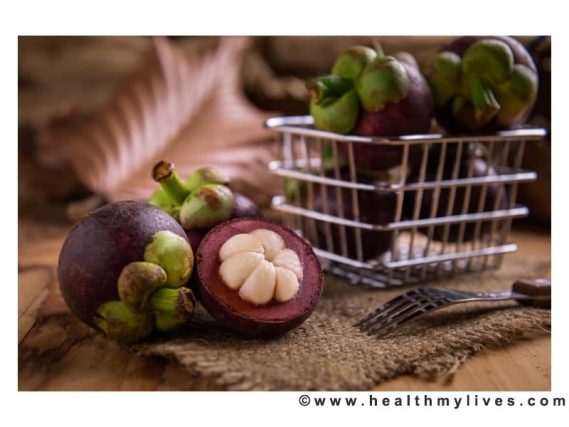
To eat mangosteen, you only need to use a sharp knife to gently cut a circle in the middle of the fruit body and split in half.
Don't cut too deep, or the purple rind juice can stain and add bitterness to the white flesh.
If you don’t have a knife, gently and firmly press your thumb into the bottom of the fruit until the crust cracks.
Fresh mangosteen can be a tasty part of a healthy diet for pregnant women, but it is not a medicine. Keep taking your prenatal vitamin, and ask your doctor if you have diabetes or other concerns.
Sources
- Pregnancy and Nutrition, MedlinePlus
- About Folic Acid, CDC